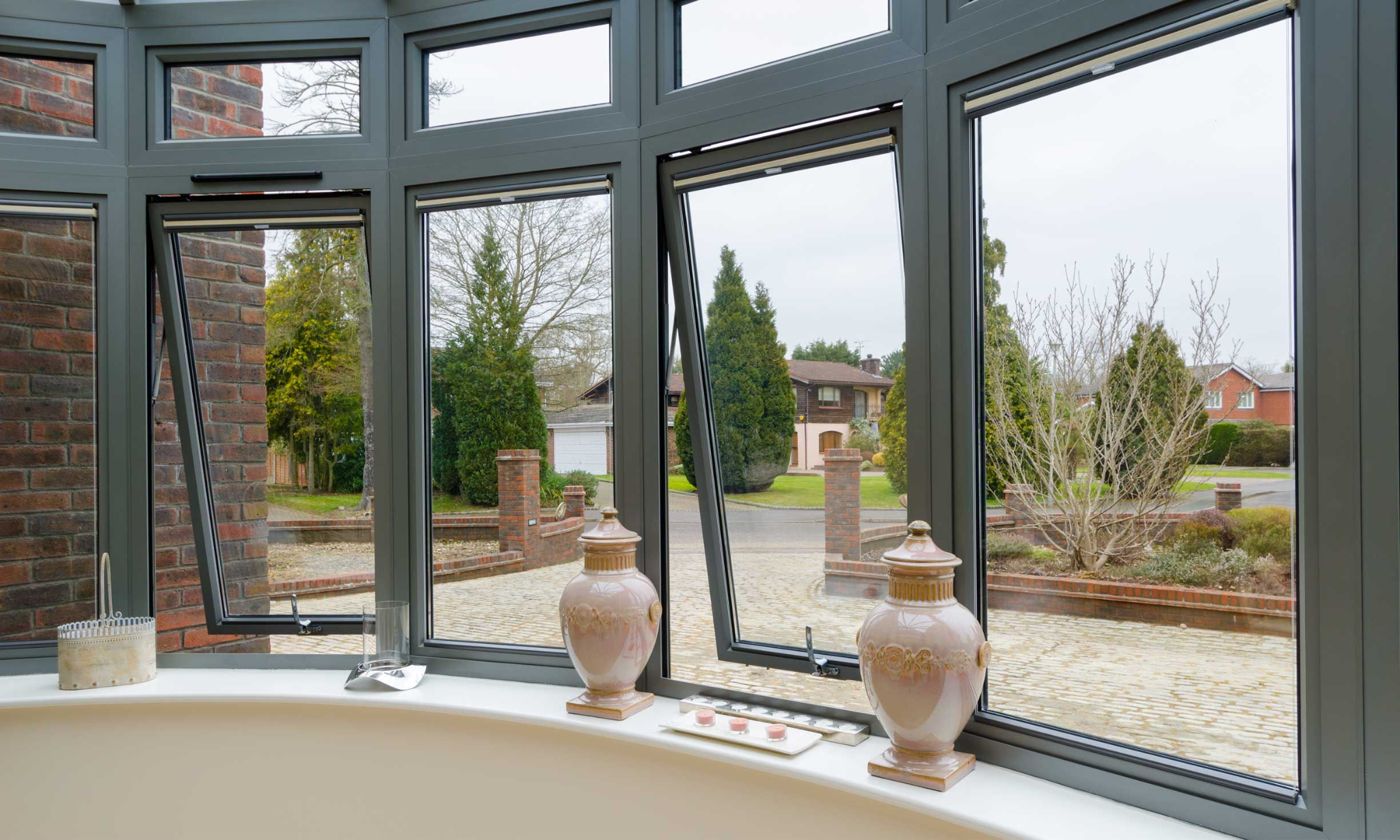
There are two kinds of Indian homeowners. Those who’ve mopped up rainwater from under a window at 11 pm in July, and those who haven’t yet.
Dust is the quieter cousin of the same problem. You wipe the windowsill in the morning, and by evening there’s that fine grey film back again. Close the windows, and somehow it still gets in.
Both usually come from the same place. Not the glass, but the gaps around it.
Why Do Windows Let Rain and Dust In?
Because most of them don’t seal properly when they’re shut. Rain and dust both ride in on air and water finding a gap, and older windows have plenty of gaps.
Timber frames swell and shrink with the seasons, opening up spaces at the corners. Cheap sliders have tracks where the sash never sits snug, leaving a channel along the bottom. Worn rubber goes hard and stops pressing against the frame. Add wind pushing against the building during a storm, and water gets driven straight through those gaps. Dust does the same thing, just more slowly, every single day.
So the fix isn’t to scrub harder or stuff towels along the sill. It’s to have windows that close tight.
What Actually Makes a Window Rain Proof?
Three things working together: a tight seal, a way for water to drain back out, and a frame that stays in shape.
No window is literally waterproof in every storm, whatever the brochure says. What good leak proof windows do is stop water getting past the seal, and give any water that does get into the frame a route back outside instead of onto your floor. That drainage path is the bit most cheap windows skip, and it’s why they leak.
The frame matters too. Aluminium doesn’t absorb water, so it won’t swell and warp the way timber does, which means the seal you get on day one is still there five monsoons later.
How Do Aluminium Casement Windows Keep Water Out?
They press shut. When you close and lock a casement, the sash is pulled firmly against the frame all the way round, squeezing the gaskets tight. There’s no sliding joint for water to creep along.
That’s why aluminium casement windows are often the first choice for the most exposed walls, the ones that take the monsoon side-on or sit high up in a tower. Eternia’s Duraslim casement is WiWA certified for water tightness up to 750Pa and wind resistance up to 2.5kPa, which in real terms means it holds up to heavy, wind-driven rain.
Can Aluminium Sliding Windows Be Rain Proof Too?
Yes, if they’re well designed. The old problem with sliders was a loose track and a flimsy seal. Modern systems deal with that using fin-based woolpile along the joints, snug interlocks, and drainage built into the bottom track so water that collects there gets channelled out.
Eternia’s Duraslim sliders carry a WiWA score of 10, rated for water tightness up to 600Pa and wind resistance of 3kPa. For most living rooms and bedrooms, a slider of that standard handles monsoon rain comfortably, while giving you the wide opening and space-saving that sliders are loved for.
How Do You Make Windows Dust Proof?
Mostly the same way you make them rain proof. Seal the gaps.
Fine dust is carried on air, so a window that’s airtight when closed is effectively an anti dust window. Look for a certified air sealing rating. Eternia’s systems are WiWA rated for air sealing up to 600Pa, meaning the seal holds even when wind is pushing against it. The silicated fin-based woolpile in the joints does a lot of the work here, blocking dust as well as water and sound.
Then there’s dust when the window’s open, which sealing obviously can’t help with.
What About Dust and Bugs When Windows Are Open?
That’s where mesh comes in. Aluminium windows with mosquito mesh let you open up for fresh air while keeping insects and the coarser dust out.
Integrated mesh is far better than the stick-on nets many homes end up with. It’s built into the window, so it slides into place when you want it and folds out of the way when you don’t. Eternia’s sliders come with a collapsible integrated pest mesh, which is especially handy in the post-monsoon weeks when mosquitoes are at their worst and you still want the breeze.
Which Window Suits Which Room?
A rough guide that works for most Indian homes:
- Wind-exposed walls and upper floors: aluminium casement windows, for the tightest seal against driving rain.
- Living rooms and balconies: well-sealed aluminium sliding windows with integrated mesh.
- Kitchens and bathrooms: an aluminium openable window, casement or top-hung, that clears steam and heat and seals properly when shut.
- Rooms facing roads or open ground: prioritise air sealing, since these catch the most dust.
A Few Simple Habits That Help
Good windows do most of the work, but a little upkeep keeps them doing it. Keep the sliding tracks clear of leaves and grit so the drainage can do its job. Close windows fully and engage the lock, rather than just pulling them to, since the lock is what compresses the seal. And on the dustiest days, keep windows on the windward side shut through the afternoon and air the house out in the calmer evening.
Fix It at the Source
Mopping up after the rain and wiping the sill every evening treats the symptom. The real fix is windows that seal tight, drain properly, and keep their shape year after year.
Example: A family in a ground-floor flat in Chennai used to line their living-room sill with old towels every monsoon. After replacing their worn sliders with well-sealed aluminium casements on the rain-facing wall and mesh-fitted sliders elsewhere, the towels went back in the cupboard, and the daily dust wipe-down became a weekly one.
If rain and dust are a constant battle in your home, Eternia’s aluminium windows, built on Duranium and certified for wind, water, and air performance, are worth a look for keeping both firmly outside.
Read More : How to Prepare Your Home Before Bringing Home a New Pet