
How to Prepare Your Home Before Bringing Home a New Pet
Get stylish nickname for → with mix of unicode character, emoji and symbols to be used in Free Fire or Instagram as username.
Pick Style
Attitude Fancy Text꧁℠𝙷𝒶𝓃𝒹𝓅𝒾𝒸𝓀ℯ𝒹❥❤️☆࿐꧂
Handpicked Fancy Text༄ᵦᵣₒₖₑₙ💔𝔖𝔞𝔡💔❥❥═══
Sad Fancy Text៚★𝘽̶𝙤̶𝙡̶𝙙̶★♡¸.•*
Bold Fancy Text⌐╦╾━💥 𝓖𝓾𝓷 ⌯⁍
Gun Fancy Text═༻ 𝒞𝓾𝓇𝓼𝒾𝓿ℯ ༺═
Cursive Fancy Text╰Tɴ╯★𝔒𝖑𝔡 𝔈𝖓𝔤𝖑𝔦𝖘𝔥ꪜ
Old English Fancy Text▄▀ 𝔹̲𝔾̲𝕄̲𝕀̲ ▀▄
BGMI Fancy Text▄▀ 𝔏̶𝔦̶𝔫̶𝔢̶𝔰̶ ▀▄
Lines Fancy Text▛▀ ℬ𝓇𝒾𝒸𝓀 ▟▄
Brick Fancy Text★彡F̸r̷e̶a̸k̸y̶彡★
Freaky Fancy Text♡⋆。˚✧ ₛₘₐₗₗ բₐₙ꜀ᵧ ✧˚。⋆♡
Small Fancy Text♡彡 💗 𝗿𝗼𝗿𝗿𝗶𝗠 & 𝗽𝗶𝗹𝗙 💗 彡♡
Flip & Mirror Fancy Text⚡️💀 𝘽𝙄𝙂𝙊 💀⚡️
BIGO Fancy Text⚡️💀 𝘾̲𝙖̲𝙧̲𝙧̲𝙤̲𝙢̲ ̲𝙋̲𝙤̲𝙤̲𝙡̲ 💀⚡️
Carrom Pool Fancy Text✿Ɱའ. ɪɢɴ ★࿐
IGN Fancy Text❦𝓜𝓲𝓼𝓼⋆𝒢𝒾𝓇𝓁 ꧂
Girls Fancy Textᶜᴿᴬᶻᵞ 𝔽𝕣𝕖𝕖 𝔽𝕚𝕣𝕖 ༻꧂
Free Fire Fancy Textᴹᴿ᭄░𝘽𝙤𝙮𝙨 𝙁𝙖𝙣𝙘𝙮 𝙏𝙚𝙭𝙩✾░☄
Boys Fancy Textᡕᠵデᡁ᠊╾━ 𝓜̶𝓛̶𝓑̶𝓑̶ 💥
MLBB Fancy Text𓃷 𝐋𝐈𝐅𝐓 𝒢𝓎𝓂 ⚡︎
Gym Fancy Text𓆩💗𓆪 𝕀𝕟𝕤𝕥𝕒𝕘𝕣𝕒𝕞 𓆩💗𓆪
Instagram Fancy Text🌸˚˖𓍢ִ໋ℭ𝔲𝔱𝔢 𝔉𝔞𝔫𝔠𝔶 𝔗𝔢𝔵𝔱🌷͙֒✧🩷˚⋆
Cute Fancy Text💗💞 ⒷⓊⒷⒷⓁⒺ 💞💗
Bubble Fancy Text💥💢 𝐀𝐧𝐠𝐫𝐲 💢💥
Angry Fancy Text🚀💣 𝘈̶𝘝̶𝘈̶𝘒̶𝘐̶𝘕̶ 💣🚀
AVAKIN Fancy Text
👤 Latest Fancy Name
👤 Random Fancy Name
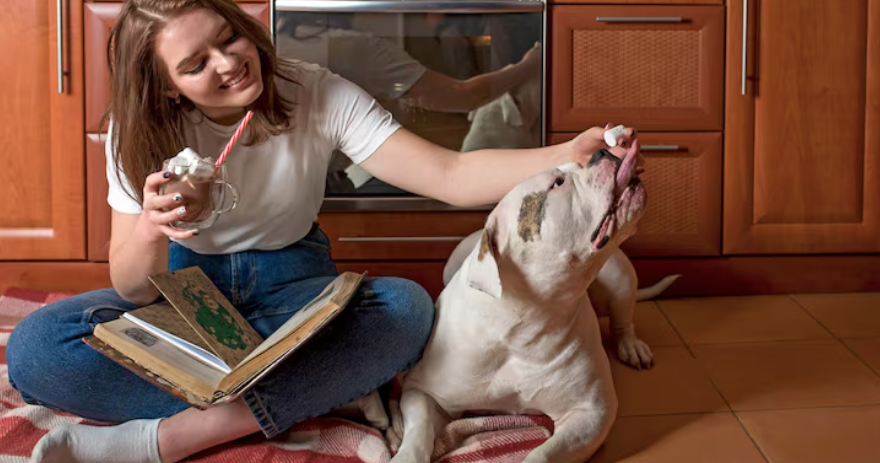
Bringing home a new pet is an exciting experience, but it also changes your daily routine and living space. A curious puppy, a nervous rescue cat, or a small animal settling into a new enclosure will need an environment that supports its safety and comfort.
Preparing before arrival gives you time to remove hazards, organize supplies, and decide how your household will share responsibilities. It also allows you to focus on helping your pet settle in instead of rushing out to buy essentials.
Although every animal has different needs, the following steps can help you create a welcoming home and make the first few days easier.
1. Understand Your Pet’s Specific Needs
Start by learning about the animal you are bringing home. Its species, age, size, health, and previous experiences should guide your preparations.
A puppy may need frequent toilet breaks and close supervision. A cat may benefit from hiding places, scratching surfaces, and safe elevated resting spots. Rabbits, birds, reptiles, and other animals require suitable housing and species-specific care.
Ask the shelter, rescue organization, or previous caregiver about your pet’s current food, habits, and preferences. Useful questions include:
- What does the animal eat, and when?
- Is it comfortable around children or other pets?
- Does it have medical needs or prescribed medication?
- What helps it feel calm?
- Are there known fears or behavioral concerns?
These details help you prepare for the individual animal rather than relying on a general shopping list.
2. Check Your Home From Your Pet’s Perspective
Walk through your home and look for anything a pet could chew, swallow, pull down, or become trapped behind. For puppies and kittens, checking at floor level can reveal small objects that are easy to overlook.
Pick up coins, hair ties, rubber bands, loose game pieces, and plastic bags. Secure electrical cables and keep blind cords and long strings out of reach. Remember that cats can climb and larger dogs may reach tables or kitchen counters. The ASPCA identifies small objects, plants, and accessible cords as key hazards when preparing for a puppy or kitten. ASPCA
Move fragile decorations and secure unstable furniture. Check gaps behind appliances, open windows, balconies, and doors that do not latch properly. Use appropriate barriers where access needs to be restricted.
3. Store Chemicals, Medicines, and Food Securely
Review where you keep cleaning products, medication, gardening supplies, and household chemicals. Store them in closed cupboards that your pet cannot access.
Keep rubbish bins secure and avoid leaving food, wrappers, or bags on low surfaces. A pet may investigate something unfamiliar before you notice.
Follow cleaning-product instructions, including guidance on rinsing, drying, and keeping animals away during use. Birds require particular care around fumes. If you suspect exposure to a harmful substance, contact a veterinarian or animal poison service promptly. ASPCA
4. Check Indoor and Outdoor Plants
Do not assume that a plant is safe because it is common in homes or gardens. Identify the plants you own and check their suitability for your pet’s species.
The ASPCA maintains a plant-toxicity database for dogs, cats, and horses, while noting that its list is not exhaustive. If you cannot identify a plant or confirm its safety, keep it inaccessible until you can get reliable advice. aspca.org
Check bouquets, fallen leaves, garden cuttings, and plants on balconies as well as permanent houseplants. Removing a hazardous plant is often more dependable than placing it on a shelf a climbing pet could reach.
5. Create a Quiet Space for Settling In
Prepare a calm area where your pet can rest away from busy household activity. Depending on the animal, this might be a quiet room, a comfortable resting corner, or a properly equipped enclosure.
For a dog or cat, include suitable bedding, water, and a few appropriate toys. A new cat should also have an accessible litter tray and somewhere to hide. Keep food and water separate from the toileting area.
A safe room can help you supervise a new animal’s exploration and manage gradual introductions to existing pets. Best Friends Animal Society recommends preparing a secure space for these purposes. Best Friends Animal Society
Let your pet approach and explore at its own pace. Avoid repeatedly pulling it out of a hiding place or encouraging everyone to gather around it.
6. Buy Essential Supplies Before Arrival
Having the basics ready prevents unnecessary shopping trips during the first few days. Choose supplies that suit your pet’s size, age, and species.
For a dog or cat, your list may include:
- Suitable food and water bowls.
- The food it is currently eating.
- Comfortable, washable bedding.
- A secure carrier or appropriate travel restraint.
- A correctly fitted collar or harness, where suitable.
- Identification details.
- Species-appropriate toys.
- Grooming and cleaning supplies.
- Litter equipment or dog-waste bags.
Ask about the current diet before buying large quantities of food. Discuss any planned dietary change with the caregiver or veterinarian.
You can add extra accessories after learning what your pet enjoys. The essentials matter more than filling the house with products immediately.
7. Prepare Outdoor Areas and Escape Routes
If your pet will use a garden or yard, inspect it before arrival. Check fences, gates, gaps, sharp objects, exposed wires, and access to chemicals or tools.
Look for routes under fences or through hedges. Do not rely on a secure-looking boundary without checking it closely.
Plan how you will manage doors when visitors arrive or deliveries are made. Everyone in the household should know which doors, windows, and gates must remain closed.
During the early days, supervise outdoor access while you learn about your pet’s behavior and confidence.
8. Agree on Household Rules and Responsibilities
Decide who will handle feeding, cleaning, exercise, grooming, and veterinary appointments. A clear division of responsibilities helps prevent missed tasks and inconsistent care.
Agree on rules before arrival, including where the pet may sleep, which rooms it may enter, and how you will respond to unwanted behavior.
Teach children to approach calmly and allow the animal to move away. They should avoid disturbing it while it eats, sleeps, or retreats to its quiet space. Supervise interactions until you understand how both the children and pet respond.
Make sure everyone uses the same basic cues and routines. Predictability can make daily life easier for the whole household.
9. Plan Introductions to Existing Pets
Prepare separate spaces before bringing a new animal into a home with other pets. Each animal should have access to its own resting area and essential resources.
Keep early introductions gradual and supervised. Avoid forcing close contact or assuming that animals will get along immediately. The right approach depends on the species, temperament, and history of each pet.
Ask the shelter or a qualified professional for an introduction plan suited to your animals. Some species should remain physically separated, even when interactions appear calm.
10. Arrange Veterinary Care and a Calm Arrival
Choose a veterinarian before bringing your pet home and keep emergency contact details accessible. Collect available medical records and arrange an initial appointment to discuss health, diet, preventive care, and identification.
Prepare a secure way to transport your pet home. On arrival, keep the atmosphere quiet and postpone unnecessary visitors.
Allow time for rest, exploration, and gentle interaction. Some animals become comfortable quickly; others need much longer. Watch their behavior and adjust your approach instead of expecting an immediate bond.
Preparing your home is the first part of building a stable life together. With hazards addressed, supplies ready, and a thoughtful routine in place, you can give your new pet the space and support it needs to begin feeling at home.