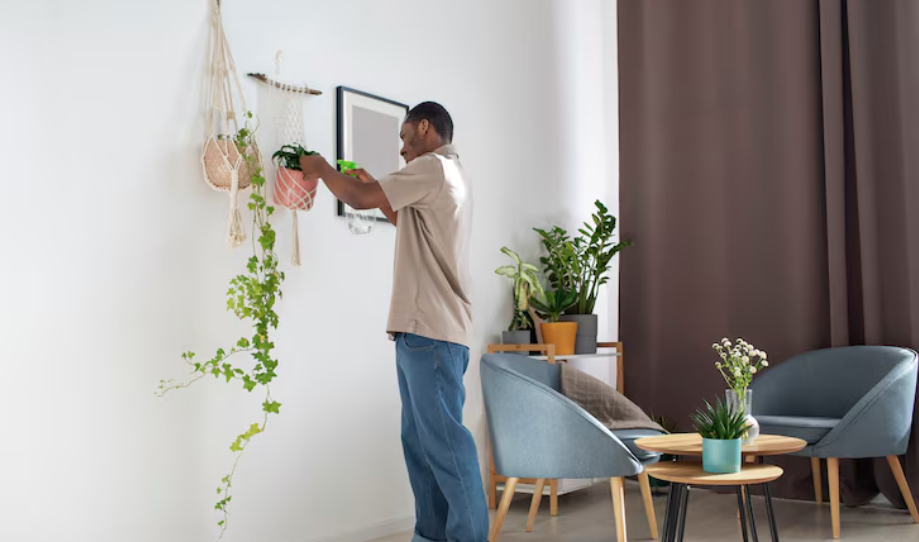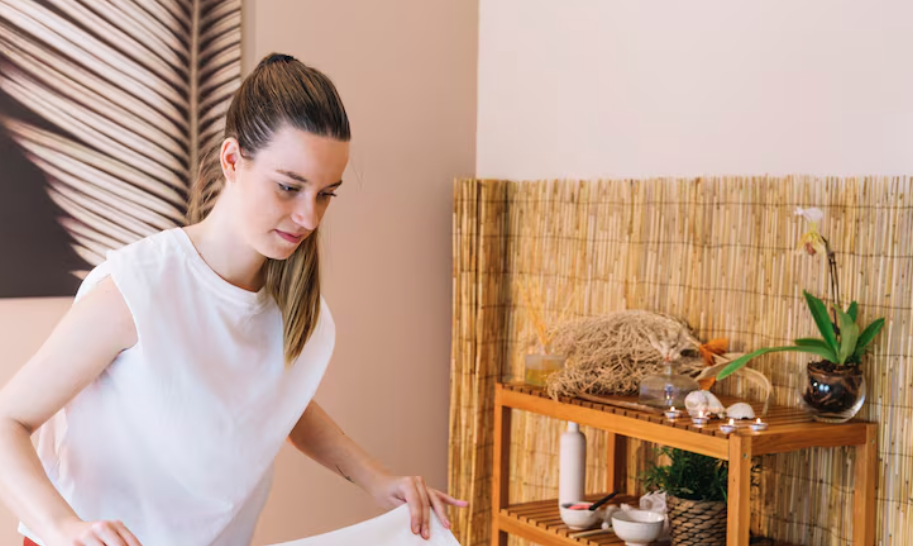
Modern interiors often feature clean lines, simple colour schemes, and uncluttered spaces. While these qualities can make a home feel organised, a room filled with smooth, uniform surfaces may lack warmth. Natural materials offer a way to introduce character without overwhelming a contemporary design.
Wood, stone, linen, cotton, clay, and woven fibres bring variation through their textures, colours, and patterns. A wooden table has visible grain. A linen curtain falls in soft folds. A ceramic vase carries subtle differences in its surface. These details make a room feel more layered and personal.
The appeal of natural materials comes from their appearance, practicality, and connection to craftsmanship. Choosing them thoughtfully can help create a home that feels comfortable and looks balanced.
Natural Materials Bring Warmth to Simple Spaces
Warmth in interior design comes partly from the way surfaces and colours work together. Timber tones, woven textures, and soft fabrics can make a restrained room feel more inviting.
For example, a living room with white walls and a grey sofa may benefit from a wooden coffee table and textured cushions. The additions provide visual interest while keeping the overall design simple.
Natural materials also work well alongside glass, metal, and painted surfaces. A wooden dining table beneath a metal pendant light can feel contemporary while retaining a welcoming quality.
The effect depends on balance. A few well-chosen pieces may contribute more than filling every corner with similar textures.
Texture Adds Interest Without Extra Clutter
A room does not need many decorative objects to feel complete. Texture can provide depth through items that already serve a purpose.
Linen curtains soften the appearance of a window. A woven basket holds blankets. A stone countertop introduces a pattern through its veining. These features add interest through everyday elements.
Combining different textures can help prevent a neutral room from looking flat. Smooth wood, coarse woven fibres, and soft upholstery each catch light differently.
Keep the combinations comfortable and practical. A rough decorative fabric might suit a cushion cover, but a chair used daily needs a surface that feels pleasant against the skin.
Natural Variation Gives Objects Character
Natural materials rarely look completely identical. Wood grain, stone markings, and variations in clay or fibres give individual pieces their own appearance.
This variation can make a home feel less uniform. A timber cabinet may become a focal point because of its grain, while a stone tray may draw attention through a distinctive pattern.
Handmade objects can add further character. The shape of a ceramic bowl or the weave of a textile may reveal something about how it was made.
Variation should still be assessed carefully. Attractive markings are different from damage or unsuitable construction. Check the condition, finish, and workmanship before buying.
They Fit Many Interior Styles
Natural materials can work across a wide range of decorating approaches. Their versatility makes them useful when updating a room gradually.
Light timber and simple cotton fabrics can suit an airy interior. Darker wood, stone, and rich textiles can create a more substantial atmosphere. Woven details may complement a relaxed coastal room, while clay and rustic timber can support an earthy scheme.
The shape and finish of an item matter as much as its material. A clean-lined wooden cabinet feels different from an ornate carved one, even when both use the same timber.
Choose pieces that connect with your existing furniture and the way you use the space.
A Connection to Nature Feels Appealing
Natural materials can suggest familiar outdoor elements through their colours and textures. Wood recalls trees, stone reflects geological patterns, and woven plant fibres introduce an organic surface.
These associations can help shape the atmosphere of a room. A palette of warm timber, soft cream, and muted green may feel calm and comfortable to someone who enjoys those colours.
Daylight and plants can complement the materials, but the room should reflect personal preferences rather than a fixed formula.
A small reading corner with a wooden chair, cotton cushion, and ceramic planter can express this connection without requiring a complete redesign.
Durability Encourages Thoughtful Purchases
Some natural materials can remain useful for many years when they are suitable for the task and properly maintained. Solid wood furniture, for example, may allow refinishing or repair, depending on its construction.
Durability varies considerably. Softer woods can dent, some stones stain or react to acidic substances, and woven fibres may struggle in damp conditions.
Look beyond the material name. Construction, finish, placement, and care requirements determine how well an item performs.
A piece that can be repaired and continues to meet your needs may become a lasting part of the home. That makes practical suitability an important part of the purchase decision.
Sustainability Requires More Than a Natural Label
Interest in responsible shopping can lead people towards natural materials, but “natural” does not automatically mean environmentally preferable.
Sourcing, manufacturing, treatments, transport, and the product’s lifespan all influence its impact. Newly produced timber furniture and a repaired second-hand piece have different histories, even if both are made from wood.
Ask where materials come from and look for credible information supporting environmental claims. Consider whether the item is durable, repairable, and genuinely needed.
Using what you already own, buying second-hand, and maintaining furniture can also support more thoughtful consumption. The material is one part of a wider decision.
Choose Materials for the Room’s Conditions
A material that works well in a bedroom may be less suitable for a bathroom or busy entrance.
Humidity, sunlight, spills, pets, and everyday wear should influence your choices. Check whether a wooden item is designed for a damp location and whether a rug can withstand the cleaning it is likely to need.
Natural stone also has different properties depending on its type. Ask about sealing, cleaning products, and maintenance before using it on a countertop or floor.
For textiles, consider washing instructions, shrinkage, fading, and how the fabric feels. Practical information helps you choose pieces you will enjoy using.
Introduce Natural Materials Gradually
You can explore this style through small changes before making a large purchase.
A wooden picture frame, cotton throw, ceramic lamp, or woven storage basket can introduce a new texture. Start with a part of the room that feels unfinished and choose something useful for that space.
For a larger update, consider an item that will see regular use, such as a dining table, curtains, or a bedside cabinet. Check measurements and care requirements before committing.
Gradual changes give you time to see which colours and textures work with your existing decor.
Create a Balanced Mix
Using several natural materials together can produce a layered room, but a clear palette helps the combination feel cohesive.
Choose a main material or tone, then add supporting elements. A room centred on warm wood might include cream linen, a simple ceramic vase, and a small stone accessory.
Leave some visual space around textured pieces. This allows their details to stand out and keeps the room from feeling crowded.
You can also mix natural materials with existing manufactured items. A comfortable sofa or practical metal shelf can remain part of the design while new textures bring the room together.
Conclusion
Natural materials appeal in modern home decor because they add warmth, texture, and individual character to simple spaces. Their variation gives rooms something to notice, while suitable, well-made pieces can remain useful over time.
Choose materials according to your home’s conditions, your maintenance preferences, and the furniture you already own. A few thoughtful additions can make an everyday space feel more inviting and personal.