
Why Regular Veterinary Care Is Important for Your Pet’s Well-Being
Get stylish nickname for → with mix of unicode character, emoji and symbols to be used in Free Fire or Instagram as username.
Pick Style
Attitude Fancy Text꧁℠𝙷𝒶𝓃𝒹𝓅𝒾𝒸𝓀ℯ𝒹❥❤️☆࿐꧂
Handpicked Fancy Text༄ᵦᵣₒₖₑₙ💔𝔖𝔞𝔡💔❥❥═══
Sad Fancy Text៚★𝘽̶𝙤̶𝙡̶𝙙̶★♡¸.•*
Bold Fancy Text⌐╦╾━💥 𝓖𝓾𝓷 ⌯⁍
Gun Fancy Text═༻ 𝒞𝓾𝓇𝓼𝒾𝓿ℯ ༺═
Cursive Fancy Text╰Tɴ╯★𝔒𝖑𝔡 𝔈𝖓𝔤𝖑𝔦𝖘𝔥ꪜ
Old English Fancy Text▄▀ 𝔹̲𝔾̲𝕄̲𝕀̲ ▀▄
BGMI Fancy Text▄▀ 𝔏̶𝔦̶𝔫̶𝔢̶𝔰̶ ▀▄
Lines Fancy Text▛▀ ℬ𝓇𝒾𝒸𝓀 ▟▄
Brick Fancy Text★彡F̸r̷e̶a̸k̸y̶彡★
Freaky Fancy Text♡⋆。˚✧ ₛₘₐₗₗ բₐₙ꜀ᵧ ✧˚。⋆♡
Small Fancy Text♡彡 💗 𝗿𝗼𝗿𝗿𝗶𝗠 & 𝗽𝗶𝗹𝗙 💗 彡♡
Flip & Mirror Fancy Text⚡️💀 𝘽𝙄𝙂𝙊 💀⚡️
BIGO Fancy Text⚡️💀 𝘾̲𝙖̲𝙧̲𝙧̲𝙤̲𝙢̲ ̲𝙋̲𝙤̲𝙤̲𝙡̲ 💀⚡️
Carrom Pool Fancy Text✿Ɱའ. ɪɢɴ ★࿐
IGN Fancy Text❦𝓜𝓲𝓼𝓼⋆𝒢𝒾𝓇𝓁 ꧂
Girls Fancy Textᶜᴿᴬᶻᵞ 𝔽𝕣𝕖𝕖 𝔽𝕚𝕣𝕖 ༻꧂
Free Fire Fancy Textᴹᴿ᭄░𝘽𝙤𝙮𝙨 𝙁𝙖𝙣𝙘𝙮 𝙏𝙚𝙭𝙩✾░☄
Boys Fancy Textᡕᠵデᡁ᠊╾━ 𝓜̶𝓛̶𝓑̶𝓑̶ 💥
MLBB Fancy Text𓃷 𝐋𝐈𝐅𝐓 𝒢𝓎𝓂 ⚡︎
Gym Fancy Text𓆩💗𓆪 𝕀𝕟𝕤𝕥𝕒𝕘𝕣𝕒𝕞 𓆩💗𓆪
Instagram Fancy Text🌸˚˖𓍢ִ໋ℭ𝔲𝔱𝔢 𝔉𝔞𝔫𝔠𝔶 𝔗𝔢𝔵𝔱🌷͙֒✧🩷˚⋆
Cute Fancy Text💗💞 ⒷⓊⒷⒷⓁⒺ 💞💗
Bubble Fancy Text💥💢 𝐀𝐧𝐠𝐫𝐲 💢💥
Angry Fancy Text🚀💣 𝘈̶𝘝̶𝘈̶𝘒̶𝘐̶𝘕̶ 💣🚀
AVAKIN Fancy Text
👤 Latest Fancy Name
👤 Random Fancy Name
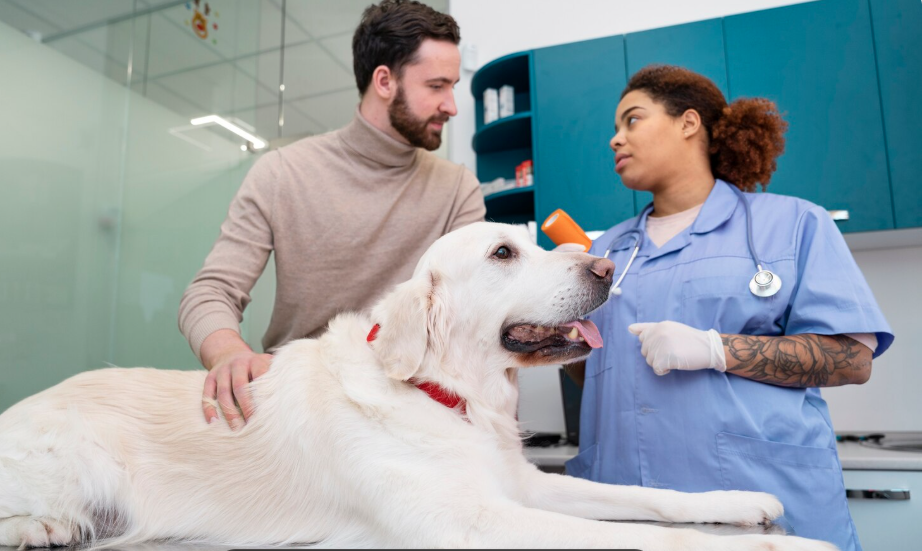
Pets bring companionship, comfort, and joy to everyday life. In return, they depend on their owners for food, shelter, exercise, and attention to their health. While a balanced diet and a caring home are essential, regular veterinary care is another important part of helping pets live comfortably.
It is easy to assume that a pet who eats well, plays, and appears happy does not need a checkup. However, some health problems develop gradually, and their early signs may be difficult to notice. Routine visits give a veterinarian the opportunity to assess changes and recommend care suited to your pet.
From preventive treatments to support during old age, veterinary care helps owners make informed decisions throughout an animal’s life.
Regular Chckups Help Detect Health Problems Early
Pets cannot explain discomfort in words. A change in appetite, movement, or sleeping habits may be the only clue that something is wrong. Sometimes, even these signs are subtle.
During a wellness examination, a veterinarian checks your pet’s body, discusses their daily habits, and looks for concerns that may require further investigation. Comparing findings with previous visits can help reveal changes that are less obvious at home.
Routine examinations can support early detection, although they cannot identify every condition or guarantee that a pet will remain healthy. AAHA recommends at least annual routine visits for dogs and cats, with more frequent appointments for senior animals and those with ongoing health conditions. Your veterinarian can recommend the right schedule for your pet.
Preventive Care Should Match Your Pet’s Lifestyle
Every pet has different needs. A young dog who regularly visits boarding facilities may have different exposure risks from an indoor cat. Age, medical history, location, and contact with other animals also influence preventive care.
Regular appointments provide an opportunity to review vaccination needs and parasite prevention. They also allow your veterinarian to adjust recommendations when circumstances change, such as moving to a new area or introducing another pet.
Preventive healthcare guidelines emphasize individualized plans that consider physical health, nutrition, dental care, behavior, and appropriate testing. This makes ongoing care more useful than following the same checklist for every animal.
Dental Health Deserves Regular Attention
Dental problems can affect a pet’s comfort and ability to eat. Owners may notice unpleasant breath, difficulty chewing, drooling, or a reluctance to accept certain foods. However, a pet may continue eating despite oral discomfort.
A veterinary examination gives the team an opportunity to assess teeth and gums and decide whether further dental evaluation or treatment is necessary. Dental checks are a recognized part of preventive care for dogs and cats.
Your veterinarian can also explain suitable home dental care. Ask about pet-safe products, brushing techniques, and how to introduce a routine gradually. The right approach depends on the animal’s species, temperament, and oral health.
Nutrition Advice Helps Owners Make Better Choices
Choosing pet food can be confusing. Packaging, online opinions, and advertising often make competing claims about what animals should eat.
A veterinary visit is a useful time to discuss your pet’s usual food, portion sizes, treats, and any supplements. Bring the product names or photographs of the labels so the conversation is specific.
Rather than changing diets repeatedly, owners can work with their veterinarian to identify a feeding approach that suits their pet’s age, activity, and health needs. If a dietary change is recommended, ask how to make the transition and what signs to monitor.
Weight Checks Provide Useful Information Over Time
When you see your pet every day, gradual changes in body size can be easy to miss. Regular measurements create a clearer record of whether their weight is stable, increasing, or decreasing.
Veterinary teams can assess body condition as well as weight. This helps put the number on the scale into context and supports discussions about feeding and activity. Weight assessment and nutritional guidance are included in preventive healthcare recommendations.
An unexplained change deserves attention. Your veterinarian can help determine whether it relates to daily habits or needs further investigation.
Behavior Changes Are Worth Discussing
A pet’s behavior offers valuable information about their well-being. Hiding more often, avoiding interaction, becoming unusually irritable, or changing toilet habits should be mentioned during an appointment.
These changes do not always have a single explanation. A veterinarian can consider whether a medical issue may be contributing before recommending behavioral support or other steps. Preventive care guidance specifically encourages owners to discuss behavior concerns with their veterinary team.
Keep brief notes about when the behavior started and what happens around it. A short video, recorded without distressing your pet, may also help explain something that does not occur at the clinic.
Care Needs Change Throughout Life
A pet’s needs do not remain the same from youth to old age. Early appointments establish a health history and give owners a chance to ask questions about growth, feeding, and everyday care.
As pets mature, visits provide opportunities to review changing routines and health concerns. Later in life, discussions may focus more closely on comfort, mobility, appetite, and managing existing conditions.
AAHA advises that senior pets and animals with chronic health issues need more frequent care than a standard annual visit. Planning appointments around your pet’s individual needs helps keep the focus on their comfort and quality of life.
A Consistent Veterinary Relationship Improves Communication
Working with a veterinary team over time helps build a useful record of your pet’s health. Previous examination findings, treatments, and observations provide context when something changes.
That relationship also makes it easier to ask questions. You may want clarification about medication instructions, feeding recommendations, or what to expect after a procedure.
Owners should feel comfortable explaining practical concerns, including their budget and difficulty administering treatments. Clear communication helps the team discuss realistic options and agree on a manageable care plan.
Planned Care Helps You Prepare Financially
Veterinary care is easier to organize when expected appointments and preventive treatments are included in the household budget.
Ask the clinic about likely routine costs and whether recommended tests or procedures can be estimated in advance. If several steps are suggested, ask which are most urgent and why.
Routine care does not eliminate unexpected expenses, and early detection does not always make treatment inexpensive. Still, planning gives owners more time to understand recommendations and prepare for their pet’s ongoing needs.
Preparing for Visits Makes Them More Useful
A little preparation helps you get more from each appointment. Bring relevant records, particularly if you are visiting a new clinic, and write down your main questions beforehand.
Useful information includes:
- Your pet’s food, treats, medications, and supplements.
- Changes in appetite, drinking, activity, or toilet habits.
- New behaviors or signs of discomfort.
- Recent travel, boarding, or contact with other animals.
- Questions about upcoming preventive care.
Ask the clinic how to make the visit more comfortable if your pet becomes anxious during travel or examinations. Follow its instructions about carriers, leads, samples, and any preparation needed.
Everyday Observation Complements Veterinary Care
Regular checkups work best alongside attentive care at home. Knowing your pet’s usual habits makes it easier to recognize a change and describe it accurately.
Avoid waiting for the next scheduled wellness visit when a new concern appears. Contact your veterinary clinic for advice about how quickly your pet should be assessed.
After an appointment, follow the agreed care plan and ask for clarification if any instructions are unclear. Keeping a simple record of appointments and treatments can make ongoing care easier to manage.
Conclusion
Regular veterinary care supports your pet’s well-being by combining professional assessment with the observations you make every day. It creates opportunities to discuss preventive care, monitor changes, and adjust routines as your animal’s needs develop.
A caring home and a trusted veterinary team work together. Making appointments part of your pet’s routine helps you take informed, practical steps toward keeping them comfortable, active, and well cared for throughout their life.