Remember the satisfying click of an arcade joystick or the excitement of gathering around a board game on a rainy afternoon? Entertainment once revolved around physical spaces, shared equipment, and being in the same room as your opponents for some friendly competition.
Today, those familiar experiences are just a few taps away. Smartphones, online platforms, and increasingly sophisticated technology have transformed how people enjoy classic games. The settings may have changed, but much of the original appeal remains surprisingly familiar.
Entertainment Before the Digital Age
Before smartphones and gaming consoles became household essentials, entertainment relied on physical games and shared spaces. Families gathered around Monopoly boards, friends played chess, and card games filled evenings with lively friendly competition.
Every activity had its own atmosphere. Rolling dice across a wooden table, shuffling a deck of cards, or celebrating a hard-earned victory created memorable moments that went beyond the games themselves. Friendly rivalries often lasted for years, bringing players closer.
Physical entertainment also came with practical limitations. Players needed equipment, enough space, and willing participants. Organizing a game night could require considerable planning, while more specialized activities depended on visiting dedicated local venues.
These experiences established traditions that would eventually find new audiences through digital technology. Many familiar rules and gameplay mechanics would remain unchanged. Only the tools and settings would evolve, improving convenience and accessibility.
Classic Games Move Beyond the Table
Traditional tabletop entertainment has adapted remarkably well to digital platforms. Chess, Monopoly, and countless card games now exist as computer programs, browser-based experiences, and mobile applications, bringing familiar gameplay to modern devices.
The basic rules remain recognizable, although technology simplifies preparation. Digital chess enforces legal moves, while electronic board games calculate scores and manage instructions, allowing players to concentrate on decisions rather than administrative details.
Traditional casino table games have undergone similar technological changes. Adults in eligible jurisdictions can play roulette for real money through online platforms offering automated versions and live-dealer experiences that recreate familiar wheels and betting layouts.
Other adaptations introduce entirely new features. Digital versions of Wingspan incorporate animated environments and bird sounds, while online tabletop platforms simplify complicated setups, preserving familiar gameplay while making participation more flexible and accessible.
The Rise of Electronic Gaming
Arcades brought fresh energy to entertainment during the late 1970s and 1980s. Flashing screens, distinctive electronic sound effects, and rows of colorful cabinets transformed gaming into a lively and competitive public experience that attracted enthusiastic crowds.
Titles such as Space Invaders, Pac-Man, and Donkey Kong became cultural landmarks, helping define an entire generation of arcade entertainment. Players competed for high scores, watched skilled opponents tackle difficult levels, and spent their last quarters chasing another attempt.
Home consoles gradually changed that experience. Systems such as the Atari 2600 and Nintendo Entertainment System brought electronic games directly into living rooms, allowing families to enjoy colorful adventures and competitive challenges together at home.
Electronic entertainment became increasingly personal, although mastering difficult levels and challenging friends remained central. Meanwhile, retro arcades continued attracting enthusiasts who appreciated original machines, familiar controls, and their unmistakable atmosphere.
The Shift Toward Portable Entertainment
Handheld consoles introduced another major change: entertainment no longer needed a fixed location. Nintendo’s Game Boy popularized portable gaming, allowing players to enjoy classic puzzle titles such as Tetris during long car journeys and extended family vacations.
Smartphones pushed portability even further, offering greater convenience. A single device could accommodate puzzle games, digital chess, card games, and arcade-inspired adventures without requiring separate cartridges, dedicated gaming systems, or bulky equipment.
Mobile entertainment also encouraged shorter and more flexible gaming sessions. Someone might complete a crossword during lunch, play solitaire while waiting for an appointment, or revisit a favorite puzzle before bed, fitting entertainment around their existing everyday routines.
Developers adapted traditional controls and interfaces to smaller screens, making familiar activities manageable through simple gestures. This convenience gave people greater freedom to enjoy classic entertainment whenever and wherever their schedules allowed.
Touchscreens, Graphics, and Online Connectivity
Modern technology has changed more than the location of classic games. It has reshaped their presentation, controls, and everyday functionality, often adding features that physical versions couldn’t accommodate. These changes can make familiar games easier to navigate and more visually engaging.
Three developments have been particularly influential:
- Touchscreen controls: Tapping, dragging, and swiping simplify familiar gaming actions, while haptic feedback adds responsive vibrations.
- Graphics and sound: Detailed animations and familiar audio effects recreate classic gaming environments with greater visual depth.
- Online connectivity: Digital libraries, software updates, and cloud features make familiar games accessible across compatible devices.
These improvements have made digital entertainment more adaptable while allowing developers to preserve the distinctive character of traditional games. Familiar mechanics and recognizable gameplay elements remain central, even as the technology continues to evolve.
Connecting Players Across Distances
Classic entertainment has always encouraged social interaction. Digital platforms have expanded those connections beyond living rooms, neighborhood arcades, and local gaming clubs, allowing people to share familiar experiences regardless of physical location.
Online chess allows friends in different countries to compete against each other without sharing a physical board. Platforms such as Board Game Arena also connect remote participants through familiar tabletop games, automated rules, and interactive multiplayer features.
Not every gaming session requires everyone to be available simultaneously. Asynchronous games let participants take turns whenever their schedules allow, keeping friendly competitions active across different time zones without requiring constant real-time coordination.
Voice chat, messaging features, and online communities add another social dimension. Players can discuss strategies, celebrate victories, and maintain lasting friendships through shared interests, making geographical distance less of an obstacle to enjoying familiar games together.
Keeping the Classics Relevant
Digital convenience hasn’t diminished traditional entertainment’s appeal. Board games unite families, while retro arcades attract enthusiasts. Physical games offer tactile interaction and face-to-face competition, while digital alternatives provide portability and remote connectivity.
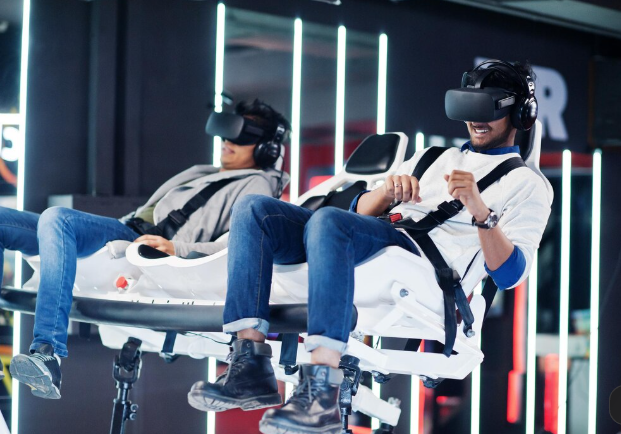
Emerging technologies like augmented reality could blend physical and digital experiences further. Yet classic entertainment retains its appeal. Whether moving wooden pieces or tapping screens, players still enjoy shared challenges, social connections, and discovery.