
Simple Interior Design Ideas That Can Refresh Any Living Space
Get stylish nickname for → with mix of unicode character, emoji and symbols to be used in Free Fire or Instagram as username.
Pick Style
Attitude Fancy Text꧁℠𝙷𝒶𝓃𝒹𝓅𝒾𝒸𝓀ℯ𝒹❥❤️☆࿐꧂
Handpicked Fancy Text༄ᵦᵣₒₖₑₙ💔𝔖𝔞𝔡💔❥❥═══
Sad Fancy Text៚★𝘽̶𝙤̶𝙡̶𝙙̶★♡¸.•*
Bold Fancy Text⌐╦╾━💥 𝓖𝓾𝓷 ⌯⁍
Gun Fancy Text═༻ 𝒞𝓾𝓇𝓼𝒾𝓿ℯ ༺═
Cursive Fancy Text╰Tɴ╯★𝔒𝖑𝔡 𝔈𝖓𝔤𝖑𝔦𝖘𝔥ꪜ
Old English Fancy Text▄▀ 𝔹̲𝔾̲𝕄̲𝕀̲ ▀▄
BGMI Fancy Text▄▀ 𝔏̶𝔦̶𝔫̶𝔢̶𝔰̶ ▀▄
Lines Fancy Text▛▀ ℬ𝓇𝒾𝒸𝓀 ▟▄
Brick Fancy Text★彡F̸r̷e̶a̸k̸y̶彡★
Freaky Fancy Text♡⋆。˚✧ ₛₘₐₗₗ բₐₙ꜀ᵧ ✧˚。⋆♡
Small Fancy Text♡彡 💗 𝗿𝗼𝗿𝗿𝗶𝗠 & 𝗽𝗶𝗹𝗙 💗 彡♡
Flip & Mirror Fancy Text⚡️💀 𝘽𝙄𝙂𝙊 💀⚡️
BIGO Fancy Text⚡️💀 𝘾̲𝙖̲𝙧̲𝙧̲𝙤̲𝙢̲ ̲𝙋̲𝙤̲𝙤̲𝙡̲ 💀⚡️
Carrom Pool Fancy Text✿Ɱའ. ɪɢɴ ★࿐
IGN Fancy Text❦𝓜𝓲𝓼𝓼⋆𝒢𝒾𝓇𝓁 ꧂
Girls Fancy Textᶜᴿᴬᶻᵞ 𝔽𝕣𝕖𝕖 𝔽𝕚𝕣𝕖 ༻꧂
Free Fire Fancy Textᴹᴿ᭄░𝘽𝙤𝙮𝙨 𝙁𝙖𝙣𝙘𝙮 𝙏𝙚𝙭𝙩✾░☄
Boys Fancy Textᡕᠵデᡁ᠊╾━ 𝓜̶𝓛̶𝓑̶𝓑̶ 💥
MLBB Fancy Text𓃷 𝐋𝐈𝐅𝐓 𝒢𝓎𝓂 ⚡︎
Gym Fancy Text𓆩💗𓆪 𝕀𝕟𝕤𝕥𝕒𝕘𝕣𝕒𝕞 𓆩💗𓆪
Instagram Fancy Text🌸˚˖𓍢ִ໋ℭ𝔲𝔱𝔢 𝔉𝔞𝔫𝔠𝔶 𝔗𝔢𝔵𝔱🌷͙֒✧🩷˚⋆
Cute Fancy Text💗💞 ⒷⓊⒷⒷⓁⒺ 💞💗
Bubble Fancy Text💥💢 𝐀𝐧𝐠𝐫𝐲 💢💥
Angry Fancy Text🚀💣 𝘈̶𝘝̶𝘈̶𝘒̶𝘐̶𝘕̶ 💣🚀
AVAKIN Fancy Text
👤 Latest Fancy Name
👤 Random Fancy Name
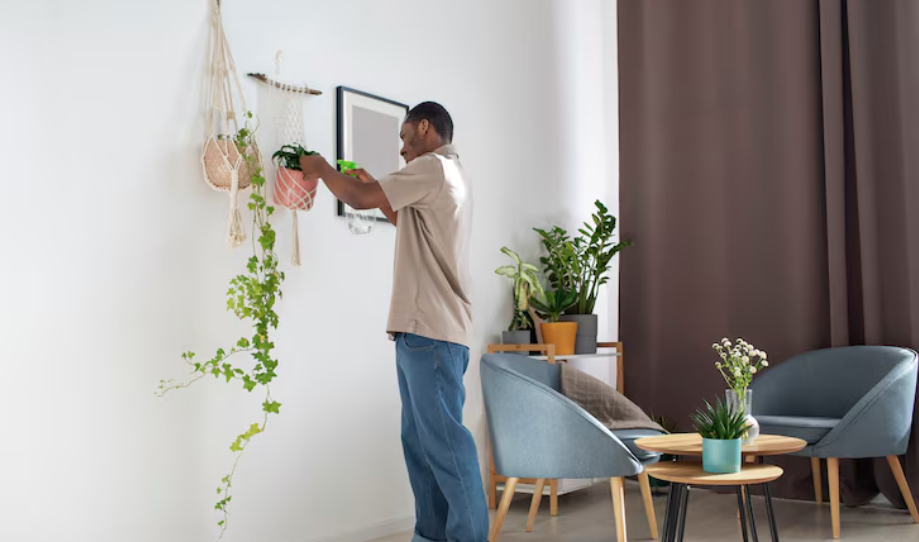
A room can start to feel tired even when its furniture is still comfortable and useful. Perhaps the layout no longer suits your routine, the lighting feels harsh, or shelves have gradually filled with things you rarely notice. Refreshing the space begins with looking at how it feels and how you use it.
You do not need a complete renovation to make a noticeable difference. Rearranging furniture, changing cushion covers, or giving a favorite piece of artwork more attention can bring new energy to a familiar room.
The most successful updates combine appearance with everyday comfort. These simple interior design ideas can help you create a living space that feels welcoming, practical, and personal.
1. Start by Clearing and Editing the Space
Before buying anything, take a closer look at what is already in the room. Clutter can hide attractive features and make even a spacious interior feel crowded.
Clear surfaces such as coffee tables, sideboards, and windowsills. Then return only the items you use or enjoy seeing. Store everyday essentials in drawers, baskets, or cabinets where they remain easy to reach.
Editing decorative objects can also make them more noticeable. A favorite vase may have more impact on its own than among several unrelated ornaments.
Work on one area at a time. A single organized shelf or clear seating area can help you see what the room needs next.
2. Rearrange Furniture Around Daily Activities
Furniture placement affects how easily you move through a room and how comfortable it feels to use.
Think about your main activities. If you often entertain, arrange seating so people can talk comfortably. If you enjoy reading, place a chair near a useful light source. If the room serves several purposes, give each activity a clear place.
Keep routes between doors and frequently used areas open. Avoid placing furniture where it blocks access to storage or makes people squeeze through narrow gaps.
Moving a sofa, shifting a chair, or removing an unnecessary side table can change the feel of the room without adding anything new. Measure larger pieces before moving them, especially in compact spaces.
3. Choose a Simple Color Palette
A consistent color palette can help furniture, fabrics, and accessories feel connected.
Start with colors already present in items you plan to keep, such as a rug, sofa, or wooden cabinet. Choose a main color for larger surfaces, then add one or two supporting shades through smaller details.
Soft neutrals can provide a flexible background. Muted green, blue, terracotta, or mustard can introduce character through cushions, artwork, or throws.
Try paint samples in the room before committing. View them in daylight and under your evening lighting, as the same shade can look different throughout the day.
You can also refresh a palette without painting. New textiles or a carefully chosen piece of art may provide enough change.
4. Build Lighting in Layers
A single ceiling light may illuminate a room, but it does not always suit every activity or create a comfortable evening atmosphere.
Combine general lighting with lamps for reading, working, or highlighting a particular area. A floor lamp beside a chair makes that corner more useful, while a table lamp on a sideboard adds a softer pool of light.
Consider where light is needed rather than choosing fixtures only for their appearance. Position lamps so they do not shine directly into your eyes or reflect awkwardly on screens.
Warm-toned lighting often suits relaxed living areas, while tasks may need clearer, more focused illumination. Matching the light to the activity makes the room easier to enjoy.
5. Refresh the Room With Textiles
Textiles are a practical way to change a room’s color, texture, and overall mood.
Swap cushion covers, add a throw, or choose curtains that work with the furniture you already own. Combining different textures can make a simple palette feel more interesting. For example, a smooth cotton cushion, a woven throw, and a textured rug can sit comfortably together.
Balance patterns with plain fabrics so the room feels coordinated. If you choose a bold print, repeat one of its colors elsewhere in the space.
Think about maintenance, too. Washable covers and durable fabrics are useful in rooms used frequently by children, guests, or pets.
6. Use a Rug to Connect the Seating Area
A rug can help a group of furniture feel like one complete arrangement, particularly in an open-plan room.
Choose its size in relation to the seating rather than the empty floor alone. In many living rooms, placing at least the front legs of the main seating on the rug helps connect the pieces visually.
A rug that is too small may appear detached from the furniture. Use tape or newspaper to mark out possible dimensions before purchasing.
Color and texture matter as well. A patterned rug can introduce character, while a quieter design may suit a room with expressive artwork or upholstery.
7. Make Better Use of Natural Light
Natural light can reveal colors and materials in a way that changes throughout the day. Give it room to enter wherever possible.
Move tall furniture away from windows if it obstructs daylight. Keep window coverings easy to open, and use lighter fabrics where you want privacy without completely darkening the room.
A mirror can reflect a bright view or help distribute light, but its placement deserves thought. Check what it reflects from several positions. An attractive window or artwork is usually more useful than a cluttered corner.
Clean windows and unobstructed sills can also make a modest difference without requiring a major purchase.
8. Bring in Plants That Suit the Room
Plants can add shape, color, and a softer contrast to furniture and hard surfaces.
Choose plants according to the available light, space, and care you can provide. A small plant may fit a shelf or side table, while a larger one can give an empty corner a purpose.
Use pots that complement the room’s materials and colors. Simple containers often allow the plant itself to stand out.
If children or pets share the space, check the suitability of a plant before bringing it home. Where live plants are impractical, botanical artwork or a well-made artificial arrangement can provide a similar decorative touch.
9. Give Walls a Clear Focus
Bare walls can make a room feel unfinished, while too many small decorations can look scattered. Choose a clear arrangement that suits the wall and nearby furniture.
One larger artwork can provide a strong focal point. A small gallery of photographs can create a more personal display. Lay out a gallery arrangement on the floor first so you can adjust spacing before hanging anything.
Consider the scale of the wall and furniture beneath it. Artwork should feel connected to the surrounding arrangement.
Framed prints, textiles, and photographs all offer possibilities. Select pieces you enjoy looking at, rather than filling a wall simply because it is empty.
10. Combine Practical Storage With Decoration
Storage can support the design of a room while helping it remain comfortable to use.
A cabinet can hide cables and paperwork. A storage ottoman can hold blankets while providing an extra seat. Baskets can keep small items together without requiring a new piece of furniture.
On open shelves, leave some space between objects. Mix books with a few decorative pieces, and avoid filling every available gap.
Place storage near the activity it serves. Keeping frequently used items within reach makes it easier to maintain an organized room.
11. Add Details That Make the Space Yours
A refreshed interior should reflect the people who live there.
Display a favorite photograph, a handmade object, or something collected during travel. These pieces can give the room meaning and make it more enjoyable than a collection chosen only to match.
Mix existing possessions with new additions thoughtfully. Repeating a color, material, or shape can help different pieces feel connected.
You may also discover that something stored in another room works beautifully in the new arrangement. Shop your own home before deciding what to buy.
12. Update Gradually and Observe the Results
Make a few changes, then live with them for several days. Notice whether the lighting works in the evening, whether furniture is easy to move around, and whether storage is convenient.
This pause can prevent unnecessary purchases. It also helps you identify the changes that have the greatest effect.
Start with a specific need, such as improving a reading corner or making seating more comfortable. A clear purpose makes design decisions easier and keeps the refresh manageable.
A living space can evolve as your routines change. You do not need to finish every detail at once.
Conclusion
Refreshing a living space can begin with the furniture and possessions you already have. A clearer layout, considered lighting, coordinated colors, and a few personal details can make a familiar room feel renewed.
Focus first on how you want to use and enjoy the space. When decorative choices support everyday comfort, even small updates can create a home that feels more welcoming and more like your own.