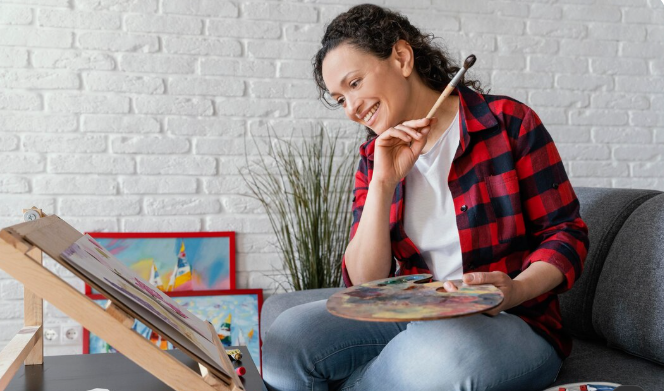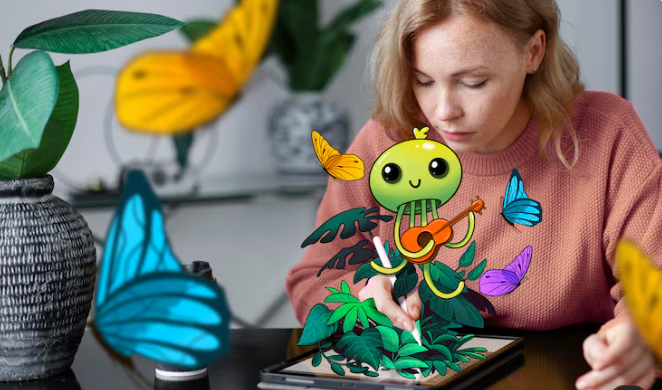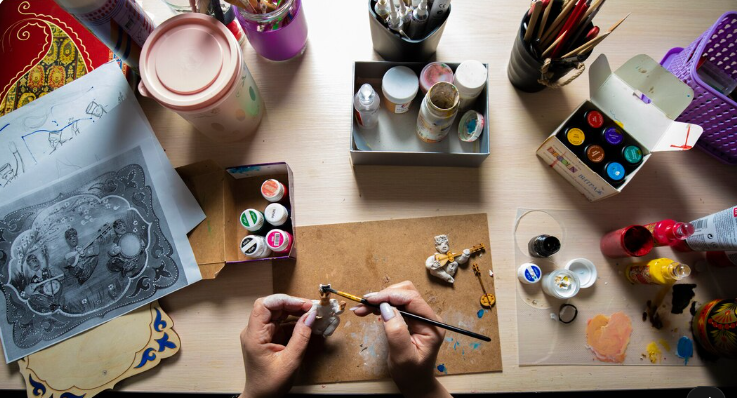
Digital technology has changed how we create and experience art. Artists can paint on tablets, design intricate illustrations with software, and share their work with audiences across the world. Viewers can explore collections without leaving home, while creative tools make experimentation more accessible.
Yet handmade art continues to hold a special place in everyday life. A ceramic bowl shaped by hand, an embroidered wall hanging, or a painting built through layers of brushwork offers something people can experience beyond a screen. Its materials, textures, and small variations reveal the process behind its creation.
The continued appeal of handmade art comes from more than nostalgia. It connects people with individual makers, preserves practical knowledge, and encourages a closer relationship with the objects around us.
Handmade Art Carries the Artist’s Personal Touch
Every handmade piece reflects a series of decisions. An artist chooses materials, adjusts proportions, changes direction, and responds to unexpected results. These choices become part of the finished work.
In a painting, energetic brushstrokes may reveal movement and confidence. A carefully stitched textile may show patience through repeated patterns. A clay vessel may retain subtle marks from the fingers that shaped it.
These details help viewers imagine the person behind the artwork. Even without knowing the artist’s story, we can recognize the attention involved in making something by hand.
Digital art can also communicate personality and emotion. Handmade work adds a physical record of that expression through the surface and structure of the object itself.
Small Variations Give Each Piece Character
Handmade objects often contain differences that make them distinctive. Two cups created by the same potter might have slightly different curves. Prints pulled by hand may vary in ink coverage. Woven pieces can show subtle changes in tension or color.
Such variations do not automatically make an object better, and poor construction should not be confused with artistic character. However, thoughtful irregularities can reveal how materials behave and how an artist works with them.
A slightly uneven edge or an unexpected glaze pattern may become the feature that draws someone to a piece. These details give the owner something to notice over time, making the artwork feel individual and familiar.
Physical Materials Create a Richer Sensory Experience
Looking at an image online provides a useful introduction to an artwork, but it cannot communicate every physical quality.
A photograph may show the colors of an oil painting while missing the depth of its layered surface. A woven wall hanging can look different as daylight moves across its fibers. A wooden sculpture may invite attention through its grain, weight, and carved contours.
Handmade art encourages people to experience these qualities directly. Where touching is appropriate, texture becomes part of the encounter. In other cases, simply moving around an object reveals details that a flat image cannot capture.
This physical presence gives handmade art a particular role in homes and shared spaces. It can change how a room feels and provide a point of interest that rewards repeated attention.
Craftsmanship Preserves Cultural Knowledge
Many forms of handmade art carry techniques developed and passed down within families and communities. Pottery, weaving, embroidery, carving, and other practices can preserve knowledge about local materials, patterns, and ways of working.
That knowledge often includes details that are difficult to learn from instructions alone. A maker may judge clay by touch, adjust thread tension instinctively, or recognize when a surface is ready for the next stage.
Supporting these practices helps create opportunities for skilled makers to continue their work and teach others. Respectful appreciation also means recognizing the people and communities behind a tradition, rather than treating their designs as anonymous decoration.
Traditions can evolve as artists experiment with new subjects and materials. Handmade art allows cultural knowledge to remain active while making room for individual expression.
Making Art Encourages Focus and Patience
Much of digital life moves quickly. Messages arrive throughout the day, content refreshes constantly, and attention shifts between tasks. Working with physical materials offers a different rhythm.
Drawing, stitching, sculpting, or painting requires attention to the next action. Some processes also demand waiting: clay must dry, paint must settle, and layers may need time before further work can begin.
For many people, this slower pace provides a satisfying way to spend time. Progress becomes visible through accumulated effort, even when the result is imperfect.
Making something by hand also teaches practical patience. A mistake may require adjustment, repair, or a new approach. Learning to respond to those moments can become as meaningful as completing the piece.
Handmade Pieces Can Become Personal Keepsakes
An object’s meaning often grows through its connection to a person, place, or experience. A painting purchased during a memorable trip may recall that journey. A handmade gift can reflect the giver’s understanding of the recipient. A piece of family embroidery may carry memories of the person who made it.
These associations give artwork a value that cannot be measured only by its price or appearance.
Commissioned pieces can deepen that connection. An artist might incorporate a meaningful location, a favorite color, or a personal story into the work. The result becomes part of someone’s life rather than simply another item in a room.
Over time, these objects may become keepsakes that people preserve and pass on.
Supporting Makers Strengthens Creative Communities
Buying handmade art helps support the people who develop and practice creative skills. The price of a piece can reflect far more than its raw materials. It may also account for design, experimentation, equipment, workspace, and years of learning.
Purchasing from independent artists, visiting exhibitions, or attending workshops can help sustain creative activity within a community. These interactions also make art more approachable by giving people opportunities to meet makers and ask about their processes.
Support does not always require a purchase. Sharing an artist’s work with proper credit, recommending a local exhibition, or showing thoughtful interest can help others discover their practice.
Handmade and Digital Art Can Work Together
Technology gives handmade artists useful ways to develop ideas and reach audiences. A painter may explore a composition digitally before working on canvas. A ceramic artist can photograph pieces for an online shop. An embroiderer might use software to plan a pattern before stitching it.
Digital platforms can also introduce viewers to crafts they would otherwise never encounter. Tutorials, studio videos, and online exhibitions help explain the effort behind finished objects.
Artists do not have to choose a single approach. Physical and digital methods can support each other, with each offering different possibilities for experimentation, presentation, and connection.
Conclusion
Handmade art still matters because it brings individual skill and physical experience into the things we live with. It allows us to notice texture, recognize effort, and connect an object with the person who created it.
As digital creativity continues to expand, handmade practices retain their own purpose. They preserve knowledge, support creative communities, and offer opportunities to make and appreciate art at a slower pace.
A handmade piece can invite us to pause and look closely. In that small act of attention, its lasting value becomes clear.