
How Smart Technology Is Transforming the Modern Driving Experience
Get stylish nickname for → with mix of unicode character, emoji and symbols to be used in Free Fire or Instagram as username.
Pick Style
Attitude Fancy Text꧁℠𝙷𝒶𝓃𝒹𝓅𝒾𝒸𝓀ℯ𝒹❥❤️☆࿐꧂
Handpicked Fancy Text༄ᵦᵣₒₖₑₙ💔𝔖𝔞𝔡💔❥❥═══
Sad Fancy Text៚★𝘽̶𝙤̶𝙡̶𝙙̶★♡¸.•*
Bold Fancy Text⌐╦╾━💥 𝓖𝓾𝓷 ⌯⁍
Gun Fancy Text═༻ 𝒞𝓾𝓇𝓼𝒾𝓿ℯ ༺═
Cursive Fancy Text╰Tɴ╯★𝔒𝖑𝔡 𝔈𝖓𝔤𝖑𝔦𝖘𝔥ꪜ
Old English Fancy Text▄▀ 𝔹̲𝔾̲𝕄̲𝕀̲ ▀▄
BGMI Fancy Text▄▀ 𝔏̶𝔦̶𝔫̶𝔢̶𝔰̶ ▀▄
Lines Fancy Text▛▀ ℬ𝓇𝒾𝒸𝓀 ▟▄
Brick Fancy Text★彡F̸r̷e̶a̸k̸y̶彡★
Freaky Fancy Text♡⋆。˚✧ ₛₘₐₗₗ բₐₙ꜀ᵧ ✧˚。⋆♡
Small Fancy Text♡彡 💗 𝗿𝗼𝗿𝗿𝗶𝗠 & 𝗽𝗶𝗹𝗙 💗 彡♡
Flip & Mirror Fancy Text⚡️💀 𝘽𝙄𝙂𝙊 💀⚡️
BIGO Fancy Text⚡️💀 𝘾̲𝙖̲𝙧̲𝙧̲𝙤̲𝙢̲ ̲𝙋̲𝙤̲𝙤̲𝙡̲ 💀⚡️
Carrom Pool Fancy Text✿Ɱའ. ɪɢɴ ★࿐
IGN Fancy Text❦𝓜𝓲𝓼𝓼⋆𝒢𝒾𝓇𝓁 ꧂
Girls Fancy Textᶜᴿᴬᶻᵞ 𝔽𝕣𝕖𝕖 𝔽𝕚𝕣𝕖 ༻꧂
Free Fire Fancy Textᴹᴿ᭄░𝘽𝙤𝙮𝙨 𝙁𝙖𝙣𝙘𝙮 𝙏𝙚𝙭𝙩✾░☄
Boys Fancy Textᡕᠵデᡁ᠊╾━ 𝓜̶𝓛̶𝓑̶𝓑̶ 💥
MLBB Fancy Text𓃷 𝐋𝐈𝐅𝐓 𝒢𝓎𝓂 ⚡︎
Gym Fancy Text𓆩💗𓆪 𝕀𝕟𝕤𝕥𝕒𝕘𝕣𝕒𝕞 𓆩💗𓆪
Instagram Fancy Text🌸˚˖𓍢ִ໋ℭ𝔲𝔱𝔢 𝔉𝔞𝔫𝔠𝔶 𝔗𝔢𝔵𝔱🌷͙֒✧🩷˚⋆
Cute Fancy Text💗💞 ⒷⓊⒷⒷⓁⒺ 💞💗
Bubble Fancy Text💥💢 𝐀𝐧𝐠𝐫𝐲 💢💥
Angry Fancy Text🚀💣 𝘈̶𝘝̶𝘈̶𝘒̶𝘐̶𝘕̶ 💣🚀
AVAKIN Fancy Text
👤 Latest Fancy Name
👤 Random Fancy Name
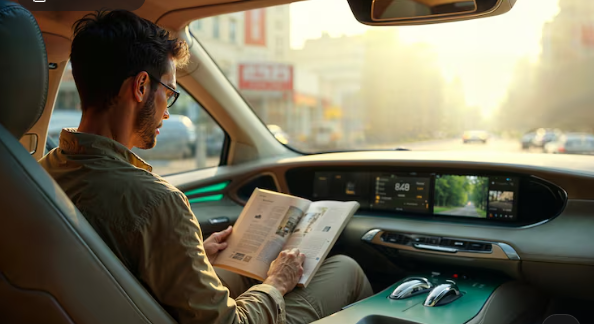
Driving involves much more than controlling a steering wheel and pressing pedals. Vehicles can help drivers navigate unfamiliar roads, notice potential hazards, stay connected, and understand when maintenance is needed. Smart technology is changing the relationship between people and their cars, making everyday journeys more informed and convenient.
These changes affect everything from the morning commute to a long holiday road trip. However, the value of a feature depends on how well it supports the driver. The most useful technologies provide clear information, reduce unnecessary effort, and help people make better decisions behind the wheel.
Advanced Safety Features Support Driver Awareness
One of the most significant uses of smart vehicle technology is helping drivers recognize situations that require attention. Cameras, radar, and other sensors can monitor parts of the surrounding environment and support a range of safety functions.
Forward collision warnings can alert drivers to a possible collision ahead. Automatic emergency braking may apply the brakes when the system detects certain collision risks. Blind-spot monitoring can warn about vehicles in adjacent areas that may be difficult to see in mirrors.
Lane departure warnings offer another form of assistance by notifying drivers when the vehicle appears to drift out of its lane. Some vehicles also provide steering assistance under specific conditions.
These features have practical limits. Poor visibility, unclear road markings, obstructed sensors, and unusual traffic situations can affect their performance. Drivers still need to observe the road, maintain safe distances, and remain ready to respond.
Navigation Becomes More Responsive
Navigation systems have changed how drivers plan and adjust their journeys. Instead of relying only on a fixed route, connected navigation can use traffic information to estimate delays and suggest alternatives.
This can help drivers avoid congestion, identify road closures, and find suitable stopping points. On longer trips, navigation may also help locate fuel stations, charging facilities, parking areas, and places to rest.
For electric vehicles, some route planners can incorporate charging stops using factors such as the vehicle’s estimated remaining range and available charging locations. The accuracy and usefulness of these functions depend on the vehicle, software, and information available.
Even with smart navigation, drivers should check that a suggested route suits their vehicle and local conditions. A shorter route may include narrow streets, rough surfaces, or restrictions that make another option more practical.
Connected Features Simplify Everyday Tasks
Smartphone integration brings familiar functions into the vehicle’s interface. Depending on compatibility, drivers can access navigation, music, calls, and selected messaging features through the dashboard.
A well-designed system can reduce the need to handle a phone while driving. Steering-wheel controls and voice commands allow some tasks to be completed with fewer physical interactions.
Connected vehicle applications may also offer remote functions, such as checking whether doors are locked, locating a parked car, or adjusting the cabin temperature before departure. Availability varies by model, connectivity, and subscription requirements.
The benefit is convenience, especially when these functions solve a clear everyday problem. Finding a car in a large parking area or preparing the cabin before a journey can make vehicle ownership easier.
Voice Controls Change How Drivers Interact with Cars
Voice controls offer an alternative to navigating menus and pressing buttons. A driver may be able to set a destination, make a call, choose music, or adjust certain vehicle settings using spoken instructions.
This can be useful when a task would otherwise require looking away from the road. However, voice systems do not eliminate distraction. Misunderstood commands and lengthy conversations with a system can still take attention away from driving.
Simple commands tend to work best. Drivers can also set destinations, select entertainment, and adjust essential settings before moving.
Good interface design matters alongside voice recognition. Clearly labeled controls and easy access to common functions help drivers interact with the vehicle without unnecessary effort.
Parking Assistance Makes Tight Spaces Easier to Judge
Parking can be challenging when visibility is limited or the vehicle is large. Smart parking features provide additional information about nearby objects and available space.
Parking sensors can warn as the vehicle approaches an obstacle. Rear cameras show areas behind the car, while surround-view systems combine camera images to provide a broader view of its immediate surroundings.
Some vehicles can assist with steering during certain parking maneuvers. The driver’s responsibilities differ between systems, so understanding the operating instructions is essential.
These tools can make parking more manageable, but drivers should continue checking mirrors and looking around. Camera images can distort distance, and sensors may not detect every object or person.
Maintenance Becomes More Informed
Smart technology also helps drivers understand vehicle condition. Dashboard alerts can communicate issues such as low tire pressure, overheating, or faults detected by onboard systems.
Some vehicles track servicing needs using mileage, time, and operating conditions. Connected applications may display maintenance reminders or vehicle status information outside the car.
These functions can encourage earlier attention to problems. A tire-pressure warning, for example, gives the driver a reason to stop safely and check the tires before continuing.
However, electronic monitoring cannot identify every mechanical issue. Unusual noises, vibrations, smells, or changes in handling still require attention. Regular inspections and scheduled maintenance remain necessary, even when no warning light appears.
Technology Can Help Drivers Manage Energy Use
Smart systems can make fuel or battery use easier to understand. Trip displays may show consumption patterns and reveal how driving style affects efficiency.
In electric vehicles, energy information can help drivers plan charging and assess whether a route is realistic. Regenerative braking settings may also influence how the vehicle slows down and recovers energy during a journey.
Some vehicles provide guidance that encourages smoother acceleration and more consistent driving. The practical results depend on traffic, terrain, weather, vehicle condition, and the driver’s choices.
Technology provides useful feedback, but everyday habits still matter. Maintaining appropriate tire pressure, avoiding unnecessary acceleration, and planning journeys carefully can support efficient driving.
Software Adds a New Dimension to Ownership
In compatible vehicles, software updates can change selected functions after purchase. Updates may address bugs, improve interfaces, or modify supported features.
This introduces new questions for owners. They may need to understand how updates are installed, whether the vehicle must remain parked, and which functions depend on ongoing connectivity.
Connected features also make privacy settings relevant. Drivers should understand what information their vehicle or companion application collects and which permissions they have enabled.
When comparing vehicles, it is useful to consider the full ownership experience: feature availability, subscription costs, software support, and ease of use.
A More Capable Driving Experience
Smart technology gives drivers more information and assistance throughout a journey. It can help identify hazards, improve route planning, simplify parking, and make maintenance needs easier to track.
Its effectiveness depends on thoughtful design and informed use. Drivers benefit most when they understand what a system does, where its limits lie, and how to operate it comfortably.
As vehicle technology develops, the driving experience can become more responsive to everyday needs. Human judgment remains central, supported by tools that help drivers stay aware, prepared, and in control.