
Why Sustainable Fashion Is Changing the Way People Shop
Get stylish nickname for → with mix of unicode character, emoji and symbols to be used in Free Fire or Instagram as username.
Pick Style
Attitude Fancy Text꧁℠𝙷𝒶𝓃𝒹𝓅𝒾𝒸𝓀ℯ𝒹❥❤️☆࿐꧂
Handpicked Fancy Text༄ᵦᵣₒₖₑₙ💔𝔖𝔞𝔡💔❥❥═══
Sad Fancy Text៚★𝘽̶𝙤̶𝙡̶𝙙̶★♡¸.•*
Bold Fancy Text⌐╦╾━💥 𝓖𝓾𝓷 ⌯⁍
Gun Fancy Text═༻ 𝒞𝓾𝓇𝓼𝒾𝓿ℯ ༺═
Cursive Fancy Text╰Tɴ╯★𝔒𝖑𝔡 𝔈𝖓𝔤𝖑𝔦𝖘𝔥ꪜ
Old English Fancy Text▄▀ 𝔹̲𝔾̲𝕄̲𝕀̲ ▀▄
BGMI Fancy Text▄▀ 𝔏̶𝔦̶𝔫̶𝔢̶𝔰̶ ▀▄
Lines Fancy Text▛▀ ℬ𝓇𝒾𝒸𝓀 ▟▄
Brick Fancy Text★彡F̸r̷e̶a̸k̸y̶彡★
Freaky Fancy Text♡⋆。˚✧ ₛₘₐₗₗ բₐₙ꜀ᵧ ✧˚。⋆♡
Small Fancy Text♡彡 💗 𝗿𝗼𝗿𝗿𝗶𝗠 & 𝗽𝗶𝗹𝗙 💗 彡♡
Flip & Mirror Fancy Text⚡️💀 𝘽𝙄𝙂𝙊 💀⚡️
BIGO Fancy Text⚡️💀 𝘾̲𝙖̲𝙧̲𝙧̲𝙤̲𝙢̲ ̲𝙋̲𝙤̲𝙤̲𝙡̲ 💀⚡️
Carrom Pool Fancy Text✿Ɱའ. ɪɢɴ ★࿐
IGN Fancy Text❦𝓜𝓲𝓼𝓼⋆𝒢𝒾𝓇𝓁 ꧂
Girls Fancy Textᶜᴿᴬᶻᵞ 𝔽𝕣𝕖𝕖 𝔽𝕚𝕣𝕖 ༻꧂
Free Fire Fancy Textᴹᴿ᭄░𝘽𝙤𝙮𝙨 𝙁𝙖𝙣𝙘𝙮 𝙏𝙚𝙭𝙩✾░☄
Boys Fancy Textᡕᠵデᡁ᠊╾━ 𝓜̶𝓛̶𝓑̶𝓑̶ 💥
MLBB Fancy Text𓃷 𝐋𝐈𝐅𝐓 𝒢𝓎𝓂 ⚡︎
Gym Fancy Text𓆩💗𓆪 𝕀𝕟𝕤𝕥𝕒𝕘𝕣𝕒𝕞 𓆩💗𓆪
Instagram Fancy Text🌸˚˖𓍢ִ໋ℭ𝔲𝔱𝔢 𝔉𝔞𝔫𝔠𝔶 𝔗𝔢𝔵𝔱🌷͙֒✧🩷˚⋆
Cute Fancy Text💗💞 ⒷⓊⒷⒷⓁⒺ 💞💗
Bubble Fancy Text💥💢 𝐀𝐧𝐠𝐫𝐲 💢💥
Angry Fancy Text🚀💣 𝘈̶𝘝̶𝘈̶𝘒̶𝘐̶𝘕̶ 💣🚀
AVAKIN Fancy Text
👤 Latest Fancy Name
👤 Random Fancy Name
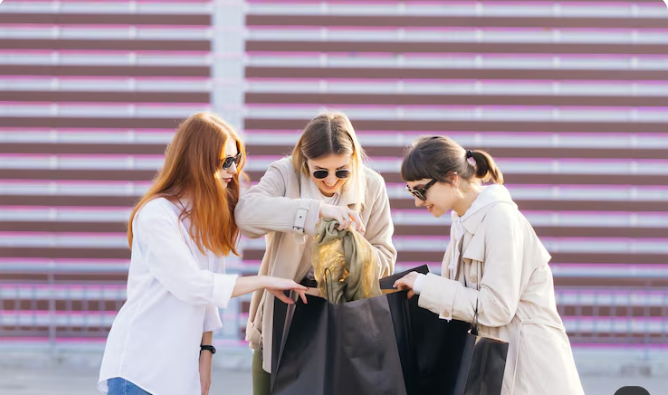
Fashion shopping often begins with a simple question: “Do I like this?” Sustainable fashion adds others: “Will I wear it regularly? How was it made? Can I repair it? What happens when I no longer need it?”
These questions encourage shoppers to look beyond a garment’s appearance and price. They bring attention to its useful life, the resources involved in producing it, and the people who make it. A purchase becomes part of a longer relationship with clothing, from choosing and wearing an item to caring for it and eventually passing it on.
Sustainable fashion does not have one universal definition, and no garment is entirely free from environmental impact. Its value lies in encouraging more considered choices. Here is how that approach can reshape the way people shop.
1. Giving Every Purchase a Clear Purpose
An attractive discount or a new collection can make a purchase feel urgent. A more thoughtful approach creates space to decide whether an item will actually be useful.
Before buying, shoppers can consider where they will wear the garment, whether it works with their existing wardrobe, and whether they already own something similar.
A practical test is to imagine several complete outfits using the item. If it requires buying additional clothes before it becomes wearable, it may be less versatile than it first appears.
This does not remove creativity or enjoyment from fashion. It helps direct spending toward pieces that suit a person’s real life rather than a brief moment of excitement.
2. Looking More Closely at Quality
Sustainable shopping encourages attention to details that affect how long clothing remains usable. A garment’s brand name or price alone cannot establish its durability.
Shoppers can examine seams, fabric thickness, fastenings, and areas likely to experience friction. They can also check whether the material suits the intended use. A delicate fabric may work well for occasional wear while being impractical for a demanding daily routine.
Care instructions matter, too. A garment that requires maintenance the owner cannot reasonably provide may be worn less often or become damaged through unsuitable cleaning.
The aim is to find clothing that performs well for its purpose and can remain part of a wardrobe.
3. Thinking About Value Over Time
The lowest purchase price does not always represent the best value. How often an item is worn matters alongside its initial cost.
For example, a jacket costing $100 and worn one hundred times has a purchase cost of $1 per wear. A $25 jacket worn twice has a purchase cost of $12.50 per wear. This calculation excludes cleaning and repairs, but it offers a useful way to compare purchasing decisions.
Cost per wear is a budgeting tool, not a measure of environmental impact. It also does not mean expensive clothing is automatically worthwhile. An affordable garment that fits well and gets regular use can offer excellent practical value.
4. Considering Secondhand Clothing
Buying pre-owned clothing creates another route to finding useful garments. Resale shops, clothing swaps, and secondhand marketplaces allow items to move between wardrobes instead of remaining unused.
For shoppers, the appeal may include lower prices, unusual designs, or access to styles no longer available in stores.
However, thoughtful buying still matters. A secondhand bargain can become another unworn purchase if it does not fit or suit the buyer’s needs.
Check measurements, condition, and repair requirements before purchasing. For online listings, clear photographs and accurate descriptions help buyers assess whether an item is suitable.
5. Making Repair Part of the Shopping Decision
A missing button or loose seam does not necessarily end a garment’s useful life. Learning basic repairs—or finding a reliable alteration service—can change how people evaluate clothing.
Instead of immediately replacing an item, they can consider whether a small repair would make it wearable again. Alterations may also help an existing garment fit more comfortably.
Repairability can influence new purchases. Accessible seams, replaceable buttons, and straightforward construction may make future maintenance easier.
This approach encourages shoppers to see clothing as something they can maintain rather than replace at the first sign of wear.
6. Asking More Specific Questions About Brands
Words such as “green,” “conscious,” and “eco-friendly” can sound reassuring without explaining much. A useful claim should identify what has changed and which part of the product it concerns.
Shoppers can ask:
- What materials are used, and in what proportions?
- Does the claim apply to the garment or only its packaging?
- Is supporting evidence available?
- What does any certification actually cover?
- Does the brand explain its manufacturing practices?
Environmental performance and working conditions are related concerns, but they require different evidence. Information about recycled fabric, for example, does not establish that workers received fair wages.
Clear, specific explanations allow customers to assess claims more carefully.
7. Recognizing That Materials Involve Tradeoffs
There is no simple rule that makes every natural fiber sustainable or every synthetic fiber unsuitable. A garment’s overall impact depends on several factors, including production, processing, durability, care, and disposal.
Rather than searching for one perfect material, shoppers can consider the full purpose of the item. Will it withstand regular use? Is it comfortable enough to wear often? Are its care requirements manageable?
Recycled or responsibly sourced materials may be relevant, but they should be evaluated alongside construction and likely use. A promising fabric label does not make an unnecessary purchase useful.
8. Building a Wardrobe Around Personal Style
A wardrobe based entirely on short-lived trends can quickly feel outdated. Understanding personal preferences creates a more stable foundation for shopping.
Think about the colors, shapes, and fabrics you repeatedly enjoy wearing. Consider your climate, daily activities, and comfort needs.
This can help you choose pieces that work together while leaving room for distinctive items. A smaller wardrobe does not have to be plain, and sustainable shopping does not require everyone to follow the same minimalist style.
The useful goal is a wardrobe that reflects its owner and receives regular use.
9. Caring for Clothing After Purchase
Shopping choices continue to matter after checkout. Reading care labels, storing garments appropriately, and addressing damage early can help keep clothing wearable.
Wash according to the garment’s instructions and use suitable drying methods. Some items may only need airing or spot cleaning between full washes, depending on how they were worn.
At the same time, sustainable care should remain practical. Hygiene, fabric requirements, and everyday circumstances should guide decisions.
Knowing how you will care for something before buying it helps avoid purchases that become inconvenient to maintain.
Sustainable fashion changes shopping by drawing attention to the entire life of a garment. It encourages people to buy with a purpose, examine claims, explore secondhand options, and care for what they already own. Start by reviewing your wardrobe and identifying what you actually need. The next useful purchase may be a carefully chosen item—or a simple repair that makes a favorite wearable again.
Read more: Smart Strategies for Growing a Business in a Competitive Market