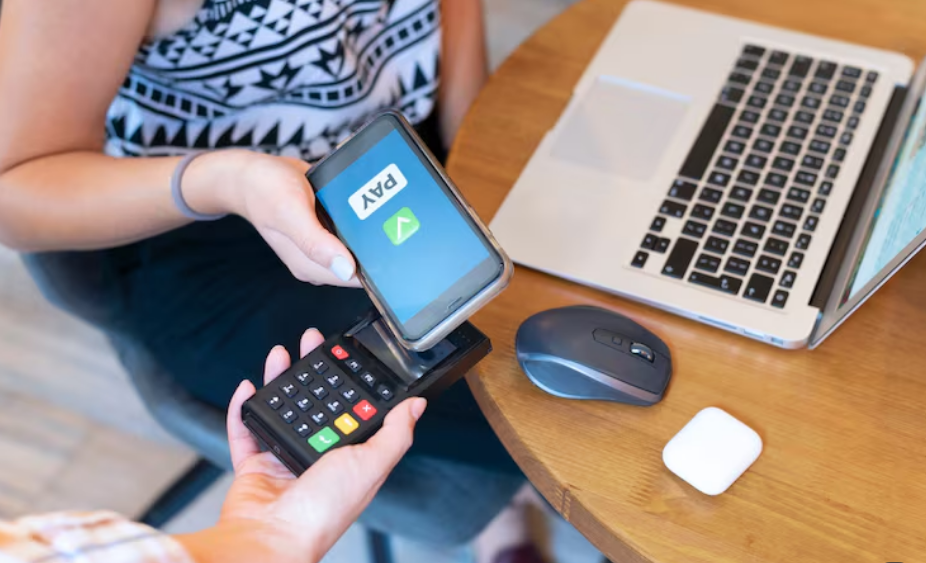
Millions of people open a UPI app every day to pay for groceries, split the restaurant bill or send money home. On the screen, it’s all the same, but payments to shops are merchant transactions, while those to friends or family are peer-to-peer transfers.
The difference makes all the difference between safety, record-keeping and options when something goes wrong. This article looks at the distinction and its impact on everyday payments, including insurance premiums.
What Sets UPI Merchant Payments Apart From P2P Transfers?
The two modes of payment are differentiated by the identity of the recipient and the reason for the payment. Once that principle is accepted, the other characteristics fall into place.
- Person or Business on the Other Side:
P2P transfers are always between individuals, via a mobile number or the UPI ID. Merchant payments are usually made to a business, identified by a business-linked UPI ID or QR code.
- Purpose of the Payment:
P2P transfers are personal (paying back a loan, giving allowance), while merchant payments are commercial, and should come with a receipt or other proof of purchase.
- Payee Is Verified:
Recognised merchants are typically verified by the bank, hence the appearance of the name when scanning a QR code. It is the payer’s responsibility to make sure that a P2P transfer goes to the correct mobile number.
Practical Differences in Everyday Use
With the background understanding, the differences take shape in transaction limits, documentation and the ability to dispute faulty payments.
- Transaction Limits and Rules:
Banks and the UPI itself lay down limits on single and daily transactions. These vary from bank to bank and by the category of the transaction.
- Charges and Fees:
While customers are seldom charged for P2P or merchant payments, merchants, depending on government rules, could incur charges. Hence it is worth asking for clarification if a merchant asks for extra charges for making a payment through your UPI app.
- Records, Refunds and Disputes:
A merchant transaction will have a more defined trail of documentation than a P2P one; this helps when a refund or customer complaint needs to be processed.
How to Choose the Right Mode of Payment and Stay Safe?
Apart from the practical considerations of refunds and documentation, choosing the right mode of payment is the first step in being safe against fraud.
- Match the Payment to Its Purpose:
Paying for goods or services should be done using the QR code or payment link of the merchant. Never send money via the mobile number of a friend or family member, just because they asked you to do so for ‘convenience’.
- Check the Payee Name Before You Authorise the Transaction:
Always make sure that the name of the payee shown on the app matches the person or organisation that you intend to make the payment to.
- Be Wary of Collect Requests:
Your UPI PIN is required in order to make a P2P transfer or collect money. However, never give your PIN to anyone, and certainly do not enter it when asked to ‘collect’ a refund or prize.
Using a UPI App for Insurance Premiums
Insurance premiums illustrate the importance of the merchant/P2P dichotomy. An insurance policy is a contract, and proper documentation of the premium is a must in order to claim in the future.
- Use the Official Channels for Premium Payments:
Premiums should only be paid to the insurer or its official payment channels, and should never be sent to an individual’s UPI ID. Always make the payment through the link or QR code supplied by the authorisation centre of an insurance company.
- Keep Records Along With Policy:
A merchant-style payment to the insurance company will always have a reference number attached to it. Keeping this along with the policy documents will be useful while renewing the policy or making a claim.
- Use a Single App for Policies and Related Payments:
A single app that stores your policy information and renewal dates along with the payment confirmation for the premium will help avoid lapses due to forgotten payments. The same goes for keeping track of claims and premium payments for any policies that you hold.
- Avoid Sending Premiums to an Individual as a P2P Payment:
Even well-meaning agents or acquaintances may ask you to send money to them directly, but P2P payments to individuals do not create a verifiable trail, so always ask for an option to make the payment to the insurance company directly.
Conclusion
UPI has made paying so simple that the difference between merchant and P2P payments can seem academic. But the distinction has real-world implications for verification, limits on payments, dispute resolution and record-keeping. In general it is best to use P2P transfers for personal payments and merchant QR codes for everything else, and to always double-check the name of the recipient.
A good UPI app that keeps payment confirmations organised will make this possible. Bajaj Finance App brings insurance and payments together in a single app, making it possible to make sure that your policies have been renewed, and your premiums have been paid.
Read more : Buzzoid and Twicsy TikTok Likes: Small-Order Trade-Offs