
Essential Car Maintenance Tips Every Driver Should Know
Get stylish nickname for → with mix of unicode character, emoji and symbols to be used in Free Fire or Instagram as username.
Pick Style
Attitude Fancy Text꧁℠𝙷𝒶𝓃𝒹𝓅𝒾𝒸𝓀ℯ𝒹❥❤️☆࿐꧂
Handpicked Fancy Text༄ᵦᵣₒₖₑₙ💔𝔖𝔞𝔡💔❥❥═══
Sad Fancy Text៚★𝘽̶𝙤̶𝙡̶𝙙̶★♡¸.•*
Bold Fancy Text⌐╦╾━💥 𝓖𝓾𝓷 ⌯⁍
Gun Fancy Text═༻ 𝒞𝓾𝓇𝓼𝒾𝓿ℯ ༺═
Cursive Fancy Text╰Tɴ╯★𝔒𝖑𝔡 𝔈𝖓𝔤𝖑𝔦𝖘𝔥ꪜ
Old English Fancy Text▄▀ 𝔹̲𝔾̲𝕄̲𝕀̲ ▀▄
BGMI Fancy Text▄▀ 𝔏̶𝔦̶𝔫̶𝔢̶𝔰̶ ▀▄
Lines Fancy Text▛▀ ℬ𝓇𝒾𝒸𝓀 ▟▄
Brick Fancy Text★彡F̸r̷e̶a̸k̸y̶彡★
Freaky Fancy Text♡⋆。˚✧ ₛₘₐₗₗ բₐₙ꜀ᵧ ✧˚。⋆♡
Small Fancy Text♡彡 💗 𝗿𝗼𝗿𝗿𝗶𝗠 & 𝗽𝗶𝗹𝗙 💗 彡♡
Flip & Mirror Fancy Text⚡️💀 𝘽𝙄𝙂𝙊 💀⚡️
BIGO Fancy Text⚡️💀 𝘾̲𝙖̲𝙧̲𝙧̲𝙤̲𝙢̲ ̲𝙋̲𝙤̲𝙤̲𝙡̲ 💀⚡️
Carrom Pool Fancy Text✿Ɱའ. ɪɢɴ ★࿐
IGN Fancy Text❦𝓜𝓲𝓼𝓼⋆𝒢𝒾𝓇𝓁 ꧂
Girls Fancy Textᶜᴿᴬᶻᵞ 𝔽𝕣𝕖𝕖 𝔽𝕚𝕣𝕖 ༻꧂
Free Fire Fancy Textᴹᴿ᭄░𝘽𝙤𝙮𝙨 𝙁𝙖𝙣𝙘𝙮 𝙏𝙚𝙭𝙩✾░☄
Boys Fancy Textᡕᠵデᡁ᠊╾━ 𝓜̶𝓛̶𝓑̶𝓑̶ 💥
MLBB Fancy Text𓃷 𝐋𝐈𝐅𝐓 𝒢𝓎𝓂 ⚡︎
Gym Fancy Text𓆩💗𓆪 𝕀𝕟𝕤𝕥𝕒𝕘𝕣𝕒𝕞 𓆩💗𓆪
Instagram Fancy Text🌸˚˖𓍢ִ໋ℭ𝔲𝔱𝔢 𝔉𝔞𝔫𝔠𝔶 𝔗𝔢𝔵𝔱🌷͙֒✧🩷˚⋆
Cute Fancy Text💗💞 ⒷⓊⒷⒷⓁⒺ 💞💗
Bubble Fancy Text💥💢 𝐀𝐧𝐠𝐫𝐲 💢💥
Angry Fancy Text🚀💣 𝘈̶𝘝̶𝘈̶𝘒̶𝘐̶𝘕̶ 💣🚀
AVAKIN Fancy Text
👤 Latest Fancy Name
👤 Random Fancy Name
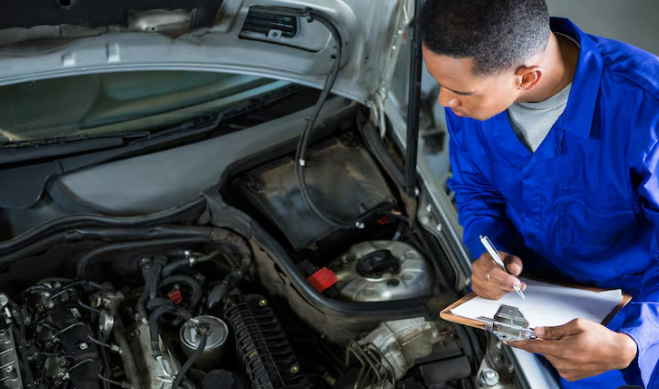
A well-maintained car is easier to rely on, more comfortable to drive, and less likely to develop avoidable problems. Yet many drivers only think about maintenance when a warning light appears or something stops working. By then, a small issue may have become a costly repair.
You do not need advanced mechanical knowledge to care for your vehicle. Knowing what to check, following its service schedule, and responding to changes in how it drives can make a significant difference. These essential car maintenance tips provide a practical starting point.
1. Follow Your Vehicle’s Maintenance Schedule
Your owner’s manual is the best guide to your car’s maintenance needs. It explains the recommended service intervals, fluid specifications, inspection procedures, and replacement requirements.
Avoid assuming that every car needs the same service at the same mileage. Maintenance requirements vary by engine, transmission, age, and driving conditions. Electric vehicles also have different requirements from petrol or diesel cars.
Frequent short journeys, heavy traffic, towing, and dusty conditions may require a more demanding service schedule. Check whether the manufacturer lists a separate schedule for these conditions, and follow whichever mileage or time limit comes first.
2. Check Engine Oil and Change It on Time
For cars with combustion engines, oil lubricates moving components and helps protect them from wear. Running an engine with insufficient oil can cause serious damage.
Check the oil level using the procedure in your manual. Some vehicles use a dipstick, while others display the level electronically. Follow the instructions about engine temperature, parking on level ground, and waiting before taking a reading.
Use oil that meets the manufacturer’s required specification. The viscosity grade alone does not tell you whether an oil is suitable.
Change the oil and filter at the recommended interval. If the level repeatedly drops or you notice leaks, arrange an inspection rather than relying on regular top-ups.
3. Maintain the Correct Tire Pressure
Tire pressure affects handling, tire wear, ride comfort, and fuel consumption. Incorrect pressure can also compromise safety.
Check pressures regularly and before long journeys, preferably when the tires are cold. Use the recommended figures on the vehicle’s tire placard or in the manual. The pressure marked on the tire sidewall is not the vehicle’s recommended everyday setting.
Some manufacturers specify different pressures for heavier loads. Adjust them accordingly before carrying several passengers or substantial luggage.
A tire pressure monitoring system is useful, but it does not replace routine checks. If one tire keeps losing pressure, have it examined for a puncture, valve problem, or wheel damage.
4. Inspect Tires for Wear and Damage
While checking pressure, look closely at each tire. Watch for cuts, bulges, embedded objects, cracking, and uneven tread wear.
Uneven wear may indicate an alignment problem, incorrect inflation, or worn suspension components. A car that pulls to one side or develops steering vibration also deserves attention.
Follow the manufacturer’s tire rotation guidance. Some vehicles have different front and rear tire sizes or directional tires that restrict how rotation can be performed.
Check the spare tire if your car carries one. If it uses a repair kit instead, inspect the kit and confirm that its sealant remains within its expiry date.
5. Pay Attention to Brake Performance
Changes in braking should be investigated promptly. Warning signs include grinding noises, vibration, pulling to one side, a soft pedal, or longer stopping distances.
Brake pads and discs wear at different rates depending on driving habits and conditions. Regular inspections are more useful than assuming they will last a fixed number of kilometers.
Brake fluid also needs attention according to the service schedule. An unexpectedly low level may indicate wear or a leak and should be assessed. Topping it up without identifying the cause can hide a problem.
If braking performance suddenly deteriorates, stop somewhere safe and arrange assistance.
6. Check Coolant and Other Fluids
Your car may use coolant, brake fluid, transmission fluid, and hydraulic power steering fluid, although some systems are sealed or checked during servicing.
Consult the manual before inspecting or adding anything. Use the correct specification, and avoid mixing fluids unless the manufacturer permits it.
Check coolant only as instructed, with the system cool. Never remove a pressurized coolant cap while the engine is hot.
Persistent fluid loss needs investigation. A puddle beneath the car may be harmless air-conditioning condensation, but oily residue, colored fluid, or an unusual smell can indicate a leak.
7. Keep the Battery in Good Condition
A weak battery can leave you unable to start the car. Slow cranking, repeated starting difficulties, or electrical problems may justify a battery and charging-system test.
Look for corrosion around accessible battery terminals and ensure the battery is securely mounted. Leave cleaning or removal to a professional if you are unfamiliar with the procedure, particularly on vehicles with battery monitoring systems.
Cars used infrequently may need an appropriate maintenance charger. Follow the manufacturer’s connection instructions.
Electric vehicles also commonly have a low-voltage battery. Their high-voltage components require specialist attention and should not be treated as routine DIY maintenance.
8. Replace Filters When Required
Engine air filters help prevent dirt from entering combustion engines. Cabin filters reduce dust and other particles passing through the ventilation system.
Follow the replacement schedule, with additional inspections if you regularly drive in dusty conditions. Reduced airflow from the vents may suggest a cabin filter needs attention.
Use suitable replacement parts and ensure they are fitted correctly. A poorly seated filter may fail to provide the intended protection.
9. Check Lights, Wipers, and Visibility
Working lights help you see and allow other road users to understand your movements. Regularly check headlights, indicators, brake lights, and reversing lights.
Replace wiper blades when they leave streaks, skip across the glass, or fail to clear rain effectively. Keep the washer reservoir filled with an appropriate washer fluid.
Clean the windshield inside and outside, along with mirrors and light lenses. Good visibility is especially important during rain, darkness, and low sunlight.
10. Respond to Warning Lights and Unusual Changes
Learn what your dashboard warning lights mean before a problem occurs. Their urgency varies, so check the manual rather than guessing.
An oil-pressure warning or overheating warning may require you to stop safely and switch off the engine. A flashing engine warning light can also indicate a fault requiring urgent attention.
Notice changes beyond the dashboard: unfamiliar smells, knocking sounds, steering vibration, reduced power, or unusual temperature readings. Describe when they occur to your mechanic. Specific observations can help with diagnosis.
Make Maintenance a Regular Habit
Set a monthly reminder to check tires, visible fluid levels, lights, and wipers. Before a long trip, allow enough time to address anything that needs attention.
Keep service records and receipts so you can track completed work and upcoming requirements. Consistent care, combined with prompt attention to warning signs, helps your car remain dependable throughout everyday journeys.