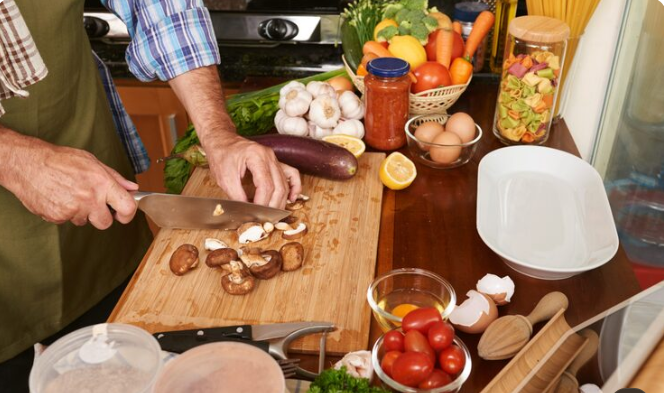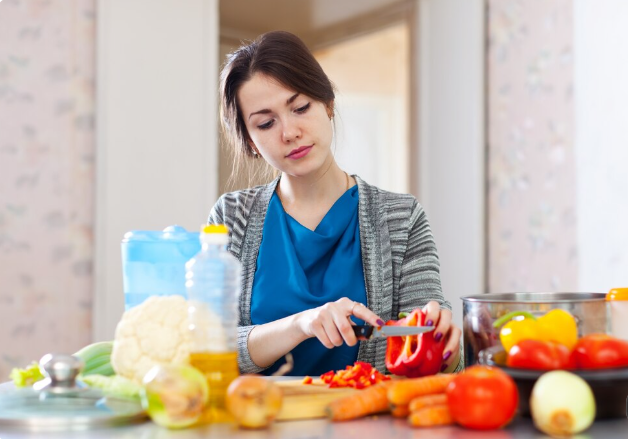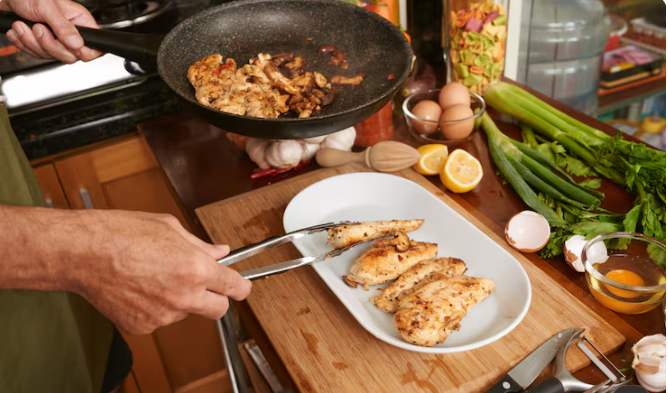
The smell of onions cooking in a pan, a familiar recipe written in a notebook, and a meal shared around the table can make home cooking feel deeply rewarding. Alongside the convenience of restaurant dining and food delivery, homemade meals continue to offer something people value: control over what they prepare and a personal connection to the food they eat.
The idea of a comeback does not mean every household is cooking more often. Busy schedules, kitchen access, and individual circumstances still shape how people eat. Yet the appeal of homemade food is easy to understand. It can help households organise spending, use ingredients thoughtfully, and create enjoyable routines.
Home cooking also feels more achievable when it starts with a few dependable dishes rather than elaborate recipes.
Greater Control Over Food Spending
Preparing meals at home gives households more control over how they use their food budget. Ingredients such as rice, lentils, pasta, potatoes, and seasonal vegetables can form the foundation of several dishes.
A single purchase may serve different purposes throughout the week. Tomatoes can become part of a sauce, curry, or salad. Lentils can be used in soups, stews, or a simple dal. This flexibility helps people plan around what they already have.
Cooking at home is not automatically cheaper in every situation. Specialty ingredients, unused groceries, and small portions can increase costs. The advantage becomes clearer when meals are planned realistically and ingredients are used across several recipes.
Looking at the cost per serving can also make comparisons more useful than judging a meal by the total shopping bill.
More Choice Over Ingredients and Flavours
Homemade meals allow cooks to decide what goes into a dish. They can adjust the seasoning, choose preferred ingredients, and change portions to suit the people eating.
Someone who enjoys a milder curry can reduce the chilli. A household that prefers more vegetables can add them to a familiar pasta sauce. A recipe can also be adapted around ingredients available locally.
This control is particularly useful when cooking for different preferences. It gives people room to experiment without having to accept a fixed menu.
Home cooking does not guarantee a balanced meal, but it makes thoughtful choices possible. The ingredients, portions, and overall eating pattern still matter.
Simple Recipes Make Cooking More Approachable
One reason homemade food remains appealing is that it does not need to be complicated. A satisfying meal can come from a short ingredient list and a few basic techniques.
Vegetable rice, lentil soup, scrambled eggs with toast, or pasta with a simple sauce can fit into an ordinary day. Once someone becomes familiar with a recipe, preparation often feels less demanding.
Learning a small collection of dependable meals helps reduce the daily question of what to cook. It also makes shopping easier because many ingredients become regular staples.
Convenience ingredients can support the process. Frozen vegetables, canned beans, and prepared spice blends can make a homemade meal more manageable when time is limited.
Familiar Food Offers Comfort
Food often carries memories of people and places. A particular soup may recall childhood evenings, while a family recipe can bring back the atmosphere of celebrations or visits home.
Preparing familiar dishes allows people to recreate those experiences in a personal way. Even when the recipe changes slightly, its flavours and preparation can preserve a sense of continuity.
Comfort also comes from knowing what to expect. After a demanding day, a reliable meal may feel more appealing than choosing from an unfamiliar menu.
These experiences give homemade food meaning beyond the finished plate. The process itself can become part of what people enjoy.
Cooking Creates Opportunities to Connect
Preparing a meal can be a shared activity. One person washes vegetables, another mixes a sauce, and someone else sets the table. Small contributions make the work easier and give people time together.
Children can participate through suitable tasks, such as measuring ingredients or assembling a simple dish with supervision. Friends or housemates can take turns choosing recipes and cooking.
Shared meals also create a reason to pause. Even a short dinner together can provide space to talk about the day.
Cooking does not have to become a household obligation carried by one person. Sharing the planning, preparation, and cleaning helps make the routine more sustainable.
Meal Planning Reduces Daily Decision-Making
Deciding what to eat can become tiring when it happens at the last minute every day. A flexible plan removes some of that pressure.
Start with a few meals that fit the coming week. Consider which evenings will be busy and which allow more time for cooking. Keep an easy backup option for days when plans change.
A useful plan also connects ingredients. If one recipe uses part of a bag of spinach, another meal can use the rest. This makes the shopping list more purposeful.
Planning every meal in detail is optional. Choosing three or four main dishes may be enough to bring structure while leaving room for leftovers, dining out, or spontaneous choices.
Using Ingredients Well Can Reduce Waste
Cooking at home provides opportunities to use ingredients before they are forgotten. Checking cupboards and the refrigerator before shopping can reveal the starting point for the next meal.
A small amount of vegetables might suit a soup or stir-fry. Extra herbs can add flavour to a sauce. Planning portions carefully can help avoid preparing more than the household needs.
Storage and food safety remain important. Follow appropriate guidance for cooling, refrigerating, reheating, and freezing food, and keep raw ingredients separate from ready-to-eat items.
The goal is to use food thoughtfully while keeping preparation and storage safe.
Cooking Skills Build Independence
Knowing how to prepare a few meals gives people more options in everyday life. They can cook around their schedule, adapt a recipe, or make something from available ingredients.
Basic skills develop gradually. Learning to chop vegetables, cook grains, follow a recipe, and adjust seasoning creates a useful foundation.
Mistakes are part of that process. A sauce may turn out too thick, or a dish may need a different balance of flavours. Noticing what happened helps the next attempt improve.
Confidence often comes from repetition. Making the same recipe several times can teach more than trying a new and difficult dish every evening.
Homemade Meals Leave Room for Creativity
Once the basics feel familiar, home cooking becomes a way to explore. A favourite recipe can take on a new flavour through different herbs, vegetables, or accompaniments.
This experimentation does not require expensive ingredients. Changing a topping, adding a seasonal vegetable, or trying a different spice combination can refresh a familiar meal.
Cooking also allows people to adjust dishes to their own preferences over time. A recipe becomes a starting point that develops through experience.
That freedom helps prevent everyday food from feeling repetitive while keeping meals practical.
Making Home Cooking a Lasting Habit
The easiest routine to maintain is one that fits real life. Begin with a few meals each week and choose recipes that match your available time and equipment.
Keep a small set of versatile ingredients, write a clear shopping list, and share tasks where possible. Include easy meals for busy days and more involved cooking when you want to enjoy the process.
Restaurant meals and delivery can still have a place. Homemade food works best when it becomes an accessible option within a flexible routine.
Conclusion
Homemade meals remain appealing because they offer choice, familiarity, and opportunities to connect. They can help households organise food spending, use ingredients more thoughtfully, and develop practical skills.
A return to home cooking can begin with one simple dish prepared regularly. As confidence grows, the kitchen can become a place where everyday meals feel easier, more personal, and more enjoyable.
Read more: Simple Ways to Plan a Stress-Free and Memorable Vacation