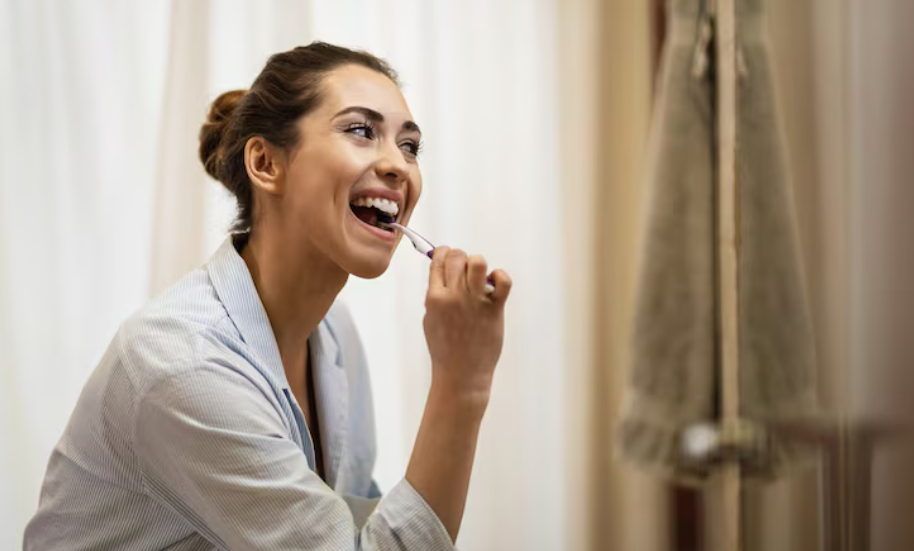
Maintaining good oral hygiene requires consistent habits, suitable tools, and an understanding of how everyday cleaning affects dental health. As brushing technology continues to develop, electric toothbrushes have become a practical option for people seeking a more structured approach to daily care. Supermouth reflects this modern approach to oral hygiene by focusing on electric toothbrush solutions designed to support everyday cleaning. Understanding the technology behind these devices can help users choose a toothbrush that fits their preferences and makes regular oral care easier to maintain.
Electric toothbrushes are designed to assist with brushing through powered movements rather than relying entirely on manual action. Their features can make the brushing process more convenient, but effective cleaning still depends on using the device correctly and following a consistent routine.
Understanding Modern Electric Toothbrush Technology
An electric toothbrush uses a motor to create movement in its brush head. Depending on the design, the bristles may move through vibration, oscillation, rotation, or a combination of movements. These actions help clean tooth surfaces while reducing the amount of manual brushing motion required from the user.
Traditional toothbrushes depend on the individual to control every brushing movement. Electric models perform the powered action automatically, allowing users to concentrate on positioning the brush and guiding it across different areas of the mouth.
The technology is intended to support plaque removal when the toothbrush is used properly. It does not eliminate the need for careful brushing, however. Users must still clean all accessible surfaces, pay attention to the gumline, and avoid rushing through the process.
Modern electric toothbrushes may also include additional features such as built-in timers, rechargeable batteries, replaceable brush heads, and different brushing modes. The exact functions depend on the individual model.
The Role of Electric Brushing in Daily Oral Hygiene
Plaque is a soft bacterial film that develops on teeth throughout the day. If it is not removed regularly, it can contribute to tooth decay and gum inflammation. Brushing helps disrupt this buildup and maintain cleaner tooth surfaces.
An electric toothbrush can make daily cleaning more structured by providing consistent powered movement. This may be useful for people who struggle to maintain steady brushing motions or who frequently brush for less time than recommended.
Electric brushing can also encourage users to pay closer attention to individual sections of the mouth. Rather than moving quickly across the front teeth, they can guide the brush methodically around the upper and lower rows.
The objective is to make cleaning thorough without applying unnecessary force. Gentle pressure and controlled positioning are important because aggressive brushing can irritate gums and contribute to enamel wear.
Understanding Brush Head Movement
The brush head is one of the most important parts of an electric toothbrush. Its shape, bristle arrangement, and movement influence how the device feels and functions during brushing.
Some models use oscillating or rotating movements, while others rely on vibration-based technology. Each design provides a different brushing experience, so users should consider their comfort and cleaning preferences when choosing a device.
The bristles should be suitable for everyday use and should reach the surfaces that need regular cleaning. Soft bristles are generally recommended because they can clean effectively while being gentler on teeth and gums.
Correct positioning remains essential regardless of the movement system. Users should guide the brush across the outer surfaces, inner surfaces, and chewing areas of the teeth. The brush should also be angled appropriately near the gumline to help remove plaque from areas where buildup commonly occurs.
Timers and Consistent Brushing Duration
One common challenge with oral hygiene is brushing for an adequate amount of time. Many people finish too quickly, leaving some areas insufficiently cleaned.
A built-in timer can help create a more consistent brushing routine. Some electric toothbrushes provide timing reminders or divide brushing into intervals, encouraging users to spend attention on different sections of the mouth.
Dentists commonly recommend brushing for two minutes twice daily with fluoride toothpaste. A timer can make this recommendation easier to follow, especially for people who do not usually measure their brushing duration.
However, spending two minutes brushing is not enough if the technique is incorrect. Users should move systematically around the mouth and avoid concentrating too heavily on only the most visible teeth.
Comfort and Ease of Handling
The everyday usefulness of an electric toothbrush depends partly on how comfortable it feels. Grip design, handle weight, button placement, and brush-head size can influence the overall experience.
A well-designed handle should be easy to hold and guide without requiring excessive wrist movement. This can be especially useful for individuals who find repetitive manual brushing uncomfortable.
Brush-head size also matters. A compact head may make it easier to reach back teeth and navigate smaller areas of the mouth, while personal preferences can vary according to mouth shape and dental needs.
When considering an electric toothbrush, users should look beyond its technical features. The device should feel manageable during both morning and evening routines. Comfort can encourage consistent use, which is essential for maintaining good oral hygiene.
Rechargeable Power and Everyday Convenience
Electric toothbrushes require a reliable power source to operate their motors. Rechargeable designs allow users to charge the handle and use it repeatedly without replacing disposable batteries.
Battery performance and charging arrangements vary between models. Some are designed for regular charging, while others may retain power for extended periods between charges. Users should consult the product instructions to understand charging times and recommended storage practices.
Convenient charging can be particularly useful for people with busy schedules or those who travel regularly. Before travelling, it is sensible to check the battery level and carry any charging accessories required by the product.
Following the manufacturer’s charging guidance can help maintain the device and reduce avoidable battery-related issues.
Maintaining Brush Heads and Device Hygiene
A toothbrush needs regular maintenance to remain suitable for everyday use. After brushing, rinse the brush head thoroughly under clean running water to remove toothpaste and loosened debris.
Store the toothbrush upright in a clean, ventilated area so the bristles can dry between uses. Avoid keeping the brush head in a permanently enclosed, damp environment.
Brush heads should generally be replaced every three to four months, or sooner if the bristles become frayed or visibly worn. Worn bristles may not clean as effectively and can feel less comfortable against the gums.
Users should also clean the handle according to the manufacturer’s instructions. If the toothbrush has removable components, these should be handled and maintained as directed.
Good maintenance supports hygienic use and helps the device remain in suitable working condition.
Choosing an Electric Toothbrush That Meets Personal Needs
Different people have different oral care requirements. Some may prioritize a simple brushing experience, while others may prefer features such as timers, rechargeable power, or multiple brushing settings.
When evaluating an electric toothbrush, consider the following factors:
- Brushing comfort: The handle and brush head should feel comfortable during use.
- Bristle quality: Soft bristles are generally suitable for everyday cleaning.
- Ease of operation: Controls should be simple to understand and use.
- Battery and charging: The power system should fit everyday routines.
- Replacement heads: Users should understand how and when brush heads need replacing.
- Maintenance: Cleaning and storage should be straightforward.
The most advanced toothbrush is not necessarily the best choice for everyone. A suitable device is one that supports proper technique and encourages regular use.
Combining Electric Brushing With Complete Oral Care
An electric toothbrush supports daily cleaning, but it should be part of a broader oral hygiene routine. Brushing twice daily with fluoride toothpaste is important, while cleaning between teeth helps remove plaque and food particles from areas a toothbrush may not reach.
Flossing or using an appropriate interdental cleaning tool can complement brushing. Regular dental appointments also allow professionals to identify concerns that may not be noticeable during everyday cleaning.
Diet plays a role as well. Limiting frequent sugary snacks and drinks can help reduce the risk of tooth decay. Drinking water throughout the day supports general oral cleanliness and helps clear food particles.
People with sensitive teeth, gum problems, braces, or dental restorations may need specific brushing guidance. A dental professional can recommend suitable techniques and products according to individual circumstances.
Conclusion
Modern electric toothbrush technology offers practical features that can make everyday oral hygiene more structured and convenient. Powered brush-head movement, comfortable handling, rechargeable operation, and timing assistance can support consistent cleaning when used correctly.
For people exploring electric brushing through Supermouth, understanding these features provides a useful starting point for choosing an appropriate oral care tool. The most important factors remain consistency, gentle technique, proper maintenance, and attention to every area of the mouth.
An electric toothbrush cannot replace professional dental care or other essential hygiene practices. However, when included in a balanced routine, it can help make daily brushing easier to manage and support the long-term goal of maintaining clean teeth and healthy gums.
Read more : Simple Ways to Make Everyday Meals Healthier and More Flavorful