
Simple Ways to Keep Your Pet Healthy, Happy, and Active
Get stylish nickname for → with mix of unicode character, emoji and symbols to be used in Free Fire or Instagram as username.
Pick Style
Attitude Fancy Text꧁℠𝙷𝒶𝓃𝒹𝓅𝒾𝒸𝓀ℯ𝒹❥❤️☆࿐꧂
Handpicked Fancy Text༄ᵦᵣₒₖₑₙ💔𝔖𝔞𝔡💔❥❥═══
Sad Fancy Text៚★𝘽̶𝙤̶𝙡̶𝙙̶★♡¸.•*
Bold Fancy Text⌐╦╾━💥 𝓖𝓾𝓷 ⌯⁍
Gun Fancy Text═༻ 𝒞𝓾𝓇𝓼𝒾𝓿ℯ ༺═
Cursive Fancy Text╰Tɴ╯★𝔒𝖑𝔡 𝔈𝖓𝔤𝖑𝔦𝖘𝔥ꪜ
Old English Fancy Text▄▀ 𝔹̲𝔾̲𝕄̲𝕀̲ ▀▄
BGMI Fancy Text▄▀ 𝔏̶𝔦̶𝔫̶𝔢̶𝔰̶ ▀▄
Lines Fancy Text▛▀ ℬ𝓇𝒾𝒸𝓀 ▟▄
Brick Fancy Text★彡F̸r̷e̶a̸k̸y̶彡★
Freaky Fancy Text♡⋆。˚✧ ₛₘₐₗₗ բₐₙ꜀ᵧ ✧˚。⋆♡
Small Fancy Text♡彡 💗 𝗿𝗼𝗿𝗿𝗶𝗠 & 𝗽𝗶𝗹𝗙 💗 彡♡
Flip & Mirror Fancy Text⚡️💀 𝘽𝙄𝙂𝙊 💀⚡️
BIGO Fancy Text⚡️💀 𝘾̲𝙖̲𝙧̲𝙧̲𝙤̲𝙢̲ ̲𝙋̲𝙤̲𝙤̲𝙡̲ 💀⚡️
Carrom Pool Fancy Text✿Ɱའ. ɪɢɴ ★࿐
IGN Fancy Text❦𝓜𝓲𝓼𝓼⋆𝒢𝒾𝓇𝓁 ꧂
Girls Fancy Textᶜᴿᴬᶻᵞ 𝔽𝕣𝕖𝕖 𝔽𝕚𝕣𝕖 ༻꧂
Free Fire Fancy Textᴹᴿ᭄░𝘽𝙤𝙮𝙨 𝙁𝙖𝙣𝙘𝙮 𝙏𝙚𝙭𝙩✾░☄
Boys Fancy Textᡕᠵデᡁ᠊╾━ 𝓜̶𝓛̶𝓑̶𝓑̶ 💥
MLBB Fancy Text𓃷 𝐋𝐈𝐅𝐓 𝒢𝓎𝓂 ⚡︎
Gym Fancy Text𓆩💗𓆪 𝕀𝕟𝕤𝕥𝕒𝕘𝕣𝕒𝕞 𓆩💗𓆪
Instagram Fancy Text🌸˚˖𓍢ִ໋ℭ𝔲𝔱𝔢 𝔉𝔞𝔫𝔠𝔶 𝔗𝔢𝔵𝔱🌷͙֒✧🩷˚⋆
Cute Fancy Text💗💞 ⒷⓊⒷⒷⓁⒺ 💞💗
Bubble Fancy Text💥💢 𝐀𝐧𝐠𝐫𝐲 💢💥
Angry Fancy Text🚀💣 𝘈̶𝘝̶𝘈̶𝘒̶𝘐̶𝘕̶ 💣🚀
AVAKIN Fancy Text
👤 Latest Fancy Name
👤 Random Fancy Name
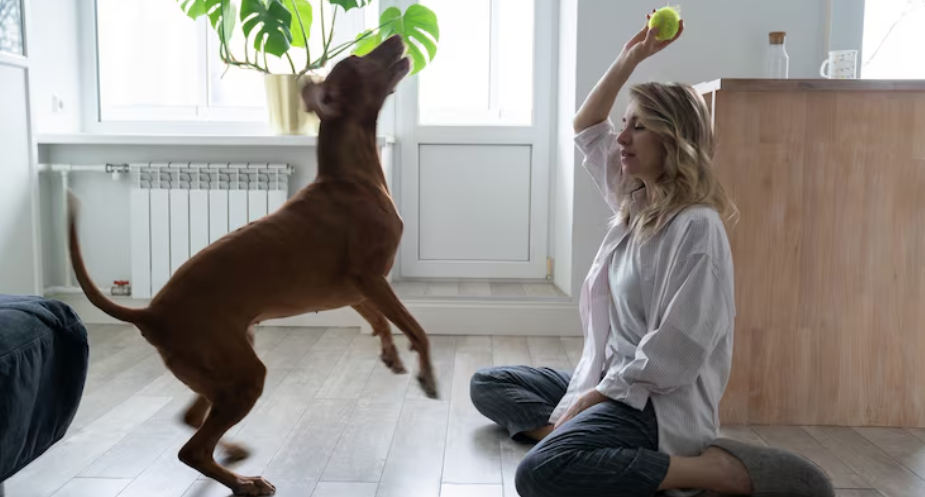
Pets depend on us for more than meals and shelter. They need opportunities to move, explore, rest, and interact in ways that suit their nature. A thoughtful daily routine can help meet these needs while strengthening the relationship you share.
Good care begins with understanding your individual pet. A young dog, an older cat, a rabbit, and a bird have different requirements for food, exercise, housing, and companionship. Even pets of the same species may prefer different activities.
The following habits provide a practical starting point, with examples mainly for dogs and cats. Adapt them to your pet’s species, age, abilities, and veterinary advice.
1. Choose Food That Meets Your Pet’s Needs
Nutrition should suit your pet’s species, life stage, and health. Food appropriate for one animal may be unsuitable for another.
For dogs and cats, ask your veterinarian about a complete and balanced diet and suitable portions. Feeding directions on packaging can provide a starting point, but individual needs vary.
Measure meals rather than repeatedly topping up a bowl without tracking the amount. Include treats and food used during training when considering total daily intake.
The American Veterinary Medical Association recommends working with a veterinarian to assess body condition and establish appropriate nutrition and activity for each pet. Avoid starting a weight-loss plan simply by sharply reducing food. ebusiness.avma.org
2. Keep Fresh Water Available
Make drinking water easy to access and check it regularly throughout the day. Wash bowls and refill them with fresh water.
In a larger home, more than one water station may be convenient, especially for a pet that has difficulty moving around. Position bowls where your pet can drink comfortably without being disturbed.
Pay attention to changes in drinking habits. A noticeable increase or decrease is useful information to share with your veterinarian.
Pets with specialized habitats, such as fish or reptiles, need species-specific water and environmental care rather than a standard bowl arrangement.
3. Match Exercise to Your Pet
Activity should be enjoyable and appropriate for your pet’s condition.
Dogs may enjoy walks, sniffing games, retrieving, or gentle play. Cats may prefer short sessions chasing a wand toy or exploring suitable climbing spaces. Other species need activities and exercise areas designed around their natural behavior.
Exercise requirements differ according to age, breed, and health. The ASPCA emphasizes that dogs need both physical activity and mental stimulation, with individual needs varying considerably. ASPCA
Start comfortably and allow breaks. Stop an activity if your pet appears distressed, reluctant, or uncomfortable, and discuss persistent difficulties with your veterinarian.
4. Provide Mental Stimulation
An active mind matters alongside physical movement. Give your pet safe opportunities to investigate, search, and solve simple challenges.
For dogs, this might involve finding part of a meal in a suitable puzzle feeder or following an interesting scent during a walk. Cats may enjoy hunting-style play, scratching surfaces, and hiding places.
Rotate a few toys instead of leaving every toy available all the time. Introduce puzzles at an easy level so your pet can succeed without becoming frustrated.
The ASPCA recommends enrichment that allows pets to express natural behaviors, including activities such as sniffing and chewing for dogs. ASPCA
Supervise unfamiliar toys and remove anything damaged or small enough to swallow.
5. Make Time for Positive Interaction
Shared activities help you learn what your pet enjoys. A relaxed walk, a short training session, or quiet companionship can all become part of your routine.
Use rewards to encourage behavior you want, and keep learning sessions brief and manageable. Rewards can include food, play, or attention, depending on the animal’s preferences.
Respect your pet’s choice to step away. Some animals enjoy frequent physical contact, while others prefer sitting nearby or interacting through play.
Watch their body language rather than assuming they welcome every interaction. A comfortable relationship gives your pet opportunities to engage and opportunities to rest.
6. Create a Comfortable Resting Area
Pets need somewhere they can relax without constant interruption.
Provide clean bedding or an appropriate resting surface in a suitable location. Keep it away from excessive noise and ensure your pet can reach it easily.
An older dog may need a bed that is accessible without jumping. A cat may appreciate a quiet hiding place or a secure perch. Small animals need suitable shelter within a properly arranged enclosure.
Ask family members to respect resting areas. Children, in particular, should learn to leave pets undisturbed while they sleep or retreat.
7. Keep Grooming Gentle and Consistent
Grooming requirements depend on coat type, species, and individual needs.
Brushing can help manage loose fur and gives you a chance to notice tangles or changes in the skin. Keep sessions comfortable, introduce tools gradually, and stop if handling causes distress or pain.
Nail care and dental care also deserve attention. Ask your veterinarian to demonstrate suitable methods and recommend products designed for your pet.
If you are unsure about removing mats, trimming nails, or handling a sensitive area, seek professional help. A manageable grooming routine is more useful than waiting until a problem becomes difficult to address.
8. Plan Preventive Veterinary Care
Veterinary visits provide an opportunity to review your pet’s health, nutrition, behavior, and changing needs.
Ask about an appropriate examination schedule, vaccinations, parasite prevention, and dental care. These recommendations depend on factors such as species, location, lifestyle, and medical history.
Keep a record of treatments and appointments so household members can follow the same plan. The AVMA encourages preventive veterinary care rather than waiting until a pet is visibly sick or injured. American Veterinary Medical Association
Use medications and parasite products only as directed for the particular animal. Products intended for one species may be dangerous for another.
9. Make the Home Suitable for Exploration
Look around your home from your pet’s perspective. Secure cleaning products, medications, loose cords, and objects that could be swallowed.
Check plants and foods before allowing access, since safety varies by species. Secure windows, balconies, gates, and enclosures as appropriate.
Give your pet acceptable outlets for natural behavior. A cat needs suitable scratching options, while a dog may benefit from appropriate chew toys.
Keep identification details current where applicable, and have a plan for safe transport when needed.
10. Notice Changes in Everyday Behavior
You know your pet’s usual habits better than someone seeing them briefly. Changes in appetite, movement, toileting, interaction, or grooming can therefore be important observations.
Write down when a change began and whether anything else happened around that time. This can help your veterinarian understand the situation.
Avoid assuming that withdrawal, irritability, or reduced activity is simply bad behavior or normal aging. Discomfort and illness can also affect how an animal behaves.
Seek veterinary advice when changes persist or concern you. Breathing difficulty, collapse, or suspected poisoning requires urgent veterinary attention.
11. Adjust Care as Your Pet Ages
A routine that suited your pet several years ago may need updating.
Older animals may appreciate easier access to resting places, shorter activities, or changes to their surroundings. Young animals need suitable opportunities to learn and explore without being pushed beyond their abilities.
Review feeding, activity, and handling as needs change. Your veterinarian can help distinguish practical adjustments from issues requiring treatment.
The aim is to keep your pet comfortably engaged at each stage of life.
Conclusion
Keeping a pet healthy, happy, and active involves consistent attention to food, movement, enrichment, rest, and preventive care. Small daily habits also help you notice changes and understand what your animal enjoys.
Build a routine around your pet’s individual needs and review it as those needs change. Comfortable activity, positive interactions, and a suitable home give you both more opportunities to enjoy life together.