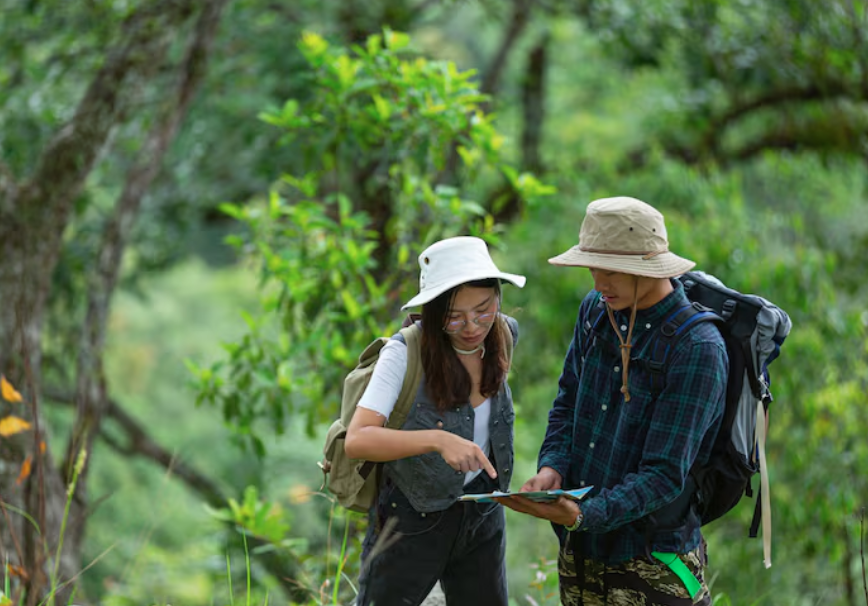
Thinking about stepping outside your comfort zone and doing something meaningful abroad? Costa Rica is consistently ranked among the best places to start that journey, and for good reason. This small Central American nation pairs natural beauty with genuine social need, giving newcomers a chance to make an impact without feeling overwhelmed by the process.
If you want to volunteer in Costa Rica but aren’t sure where to begin, this guide walks through eligibility, what a placement actually looks like, and why this country works so well for people trying it for the first time.
Who Can Volunteer in Costa Rica?
Eligibility requirements are refreshingly simple. Most programs welcome participants starting at age sixteen, though certain project types require volunteers to be eighteen or older. Younger participants aren’t excluded entirely—those under sixteen can usually join when accompanied by a faculty leader, parent, or guardian.
Beyond age, the real requirements are attitude-based. Organizations look for people who are hardworking, resourceful, and willing to adapt when resources are limited. A positive mindset matters more than prior experience in most placement types. For anyone working directly with children, a background check is standard practice and should be expected as part of the application process.
No specialized degree or professional certification is needed for the majority of placements. Teaching English, supporting childcare centers, assisting with beach conservation, or helping on construction sites are all designed to accommodate volunteers with no formal training in those fields.
What Does a Typical Placement Look Like?
New volunteers often picture something vague and unstructured, but the reality is far more organized. Programs typically run for a minimum of one week, though two weeks or longer is recommended to allow volunteers time to settle in and build genuine relationships with the community and project staff.
Daily work usually involves three to four hours of hands-on activity, Monday through Friday, scheduled either in the morning or afternoon depending on the project type. Depending on location, your placement site might be within walking distance or require a short public transportation ride.
Most arrangements include host family accommodations with shared rooms, along with breakfast and dinner provided seven days a week. Airport pick-up is standard, removing one of the more stressful parts of international travel. Volunteers also typically receive a certificate of service and a letter of recommendation at the end of their placement, which can strengthen a resume or university application. An emergency contact line is available around the clock throughout the program.
How Does the Application Process Work?
Getting started is more straightforward than many first-timers expect. The process generally begins with choosing a destination and a project type that matches your interests, whether that’s working with kids, teaching English, supporting sea turtle conservation, or contributing to construction efforts.
From there, an application is submitted along with basic personal information. A program advisor typically follows up to answer questions, confirm placement details, and walk through logistics like travel arrangements and what to pack. This step is particularly valuable for first-timers, since it offers a chance to ask about safety, daily routines, and cultural expectations before committing.
Payment structures vary by program length and project type, with some specialized placements—such as those involving medical, dental, or construction work—carrying additional surcharges due to the materials or supervision required. It’s worth confirming these details upfront so there are no surprises later.
Why Costa Rica Suits First-Time Volunteers
Several factors make Costa Rica a particularly forgiving entry point for first-time volunteers. The country is politically stable and widely regarded as one of the safest nations in the region, which matters enormously for someone who has never traveled internationally for an extended stay. Costa Rica disbanded its army back in 1948, and that long-standing commitment to peace shows up in everyday life.
Infrastructure is another advantage. Volunteer placements are typically based in established hubs like San Jose or Manuel Antonio, both of which offer modern amenities, reliable WiFi, and easy access to restaurants, shops, and transportation. This means newcomers aren’t thrown into total isolation—there’s a support system close by if homesickness or culture shock sets in.
The country’s genuine social needs also create a natural fit for meaningful work. Despite its reputation for progressive policies and environmental leadership, Costa Rica remains a developing nation with real socio-economic challenges. This means volunteer contributions, even from someone with zero prior experience, are needed and valued rather than symbolic.
Lastly, the sheer variety of available projects allows first-timers to choose something that genuinely excites them. Whether your interest lies in environmental conservation, childcare, education, or healthcare support, there’s likely a placement that aligns with your passions, which tends to lead to a far more fulfilling experience overall.
Common Questions From First-Time Volunteers
What is the minimum age to volunteer in Costa Rica?
Most programs accept volunteers starting at sixteen years old. Certain specialized projects require participants to be at least eighteen, and younger volunteers can join when a parent, guardian, or faculty leader accompanies them.
Do I need prior experience or a specific skill set to volunteer?
No. The majority of placements are designed for volunteers without professional training in the field. A positive attitude, flexibility, and willingness to work hard matter far more than prior credentials.
How long should I commit to a volunteer placement?
While programs allow stays as short as one week, two weeks or longer is generally recommended. This extra time allows volunteers to build stronger relationships with host families and project staff, leading to a more rewarding experience overall.
What is daily life like during a placement?
Volunteers typically work three to four hours a day, Monday through Friday, staying with a host family and receiving two meals daily. Evenings and weekends are usually free for exploring, resting, or getting to know the local culture.
Is Costa Rica a safe destination for a first international volunteer trip?
Yes. Costa Rica is widely recognized as one of the most stable and peaceful countries in Latin America, making it a comfortable starting point for someone new to international volunteering.
What support is available if I need help during my placement?
Reputable programs provide round-the-clock emergency contact access, along with program advisors who assist with logistics before and during the trip. Host families and on-site staff also serve as an everyday support system throughout the placement.
Starting your first volunteer experience abroad doesn’t have to feel like a leap into the unknown. With clear eligibility requirements, structured placements, and a country built for first-timers, Costa Rica offers a genuinely approachable way to contribute to meaningful work while gaining an experience that stays with you long after you return home.
Read more : How Slow Travel Can Create More Meaningful Experiences