Mobile gaming used to mean quick puzzles and endless runners, the kind of thing you played while waiting for a train. Those games still exist, but the picture has shifted. Strategy titles, which once belonged mostly to PC players, now sit near the top of many app store charts.
It’s an interesting change, because strategy games ask more of you. They want planning, patience, and regular check-ins. Yet millions of people have taken to them on phones. Let’s look at why.
Depth That Rewards Thinking
Strategy games give players something many casual titles don’t: meaningful decisions. Should you upgrade your base or train more troops? Do you attack now or wait for a better moment? Every choice has consequences, and those consequences unfold over days rather than seconds.
That depth appeals to people who find simple games boring after a week. There’s always something new to learn, whether it’s a better build order, a smarter alliance, or a way to counter a rival’s tactics. Progress feels earned because it comes from thinking, not just tapping faster.
The mobile format has adapted well to this. Interfaces have been simplified so that complex systems fit on a small screen, and tutorials ease newcomers in without overwhelming them. A game that would have felt intimidating on a desktop now feels approachable in your pocket.
Sessions That Fit Around Real Life
One reason strategy works so well on phones is the way time is handled. Many of these games use timers: buildings take hours to finish, troops train overnight, and research runs in the background. You make your moves, close the app, and come back later.
For busy people, that rhythm is a feature rather than a flaw. You don’t need an hour of free time to feel productive. A few minutes in the morning and a few more in the evening can be enough to keep your progress moving along steadily.
The trade-off is that the game stays on your mind. You start wondering whether your upgrade finished, which is a mild form of engagement that developers clearly count on. Used in moderation, it’s a pleasant little habit, though it’s worth noticing if it starts to feel compulsive.
The Social Side of Strategy
Alliances, guilds, and teams are central to many mobile strategy games. Working with others to defend territory or win events creates strong bonds, and players often end up chatting daily with people they’ve never met in person. Coordinating attacks and sharing resources feels more like running a small organization than playing a game.
That cooperation drives retention. It’s much harder to quit a game when a group of friends is counting on you. Shared goals and friendly rivalries give players reasons to log in beyond their own progress.
It also gives the games a sense of community that single-player titles rarely match. Players swap advice, celebrate wins together, and sometimes argue over strategy with surprising passion. For many, that social layer is the best part.
Spending, Value, and Making Smart Choices
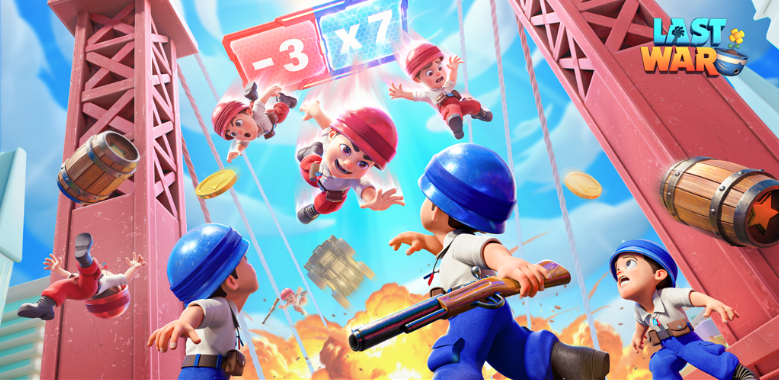
Most mobile strategy games are free to download and earn money through optional purchases such as resource packs, speed-ups, and special bundles. Some players choose to buy extras, and a last war store is one example of the type of service people look at when they want to recharge for a game like Last War. Whether you spend at all is entirely up to you.
If you do, a few habits help. Decide on a budget beforehand, double-check your player ID before confirming anything, and keep receipts. Be wary of limited-time offers designed to make you hurry, since a countdown is meant to create urgency.
It’s also worth remembering that patience is often free. Many players progress well without spending a cent, simply by logging in regularly and taking part in events. Spending can speed things up, but it rarely changes whether you can enjoy the game.
Why Developers Keep Investing in the Genre
From a business perspective, strategy games make sense. Players tend to stay engaged for months or years, which means a single game can keep generating interest long after launch. Regular updates, seasonal events, and new content keep the experience fresh without needing a sequel.
The genre also benefits from a loyal audience. People who enjoy planning and optimizing are often happy to put in time, and they’re willing to discuss the game in forums and videos. That word-of-mouth helps new titles find players without huge advertising budgets.
To understand where all this comes from, Wikipedia’s article on strategy video games outlines how the genre developed, from early turn-based titles to the real-time and 4X styles that influenced many modern mobile games.
What the Future Holds
Mobile hardware keeps improving, which means richer visuals and larger battles are now possible on a phone. Developers are experimenting with hybrid designs that mix strategy with puzzle, city-building, or role-playing elements, giving the genre room to grow in new directions.
For players, the appeal is straightforward. You get depth without needing a gaming PC, community without leaving the couch, and a game that fits around your day. If you’ve only tried casual titles so far, a strategy game might be a rewarding next step. Just pace yourself, keep your spending intentional, and enjoy the slow satisfaction of building something over time.