What if your marketing messages could deliver richer, more engaging content directly to your customers’ phones? Multimedia messaging service, or MMS, allows businesses to send images, videos, and interactive content through text messages, creating a more compelling way to connect with audiences. Unlike traditional SMS, which limits communication to text only, MMS opens up possibilities for brands to showcase products, demonstrate services, and build stronger relationships with customers in real time. This shift toward visual communication reflects broader changes in how people prefer to receive and process information.
1. Sending Visual Product Demonstrations
Visual content captures attention far more effectively than text alone, and MMS messaging lets businesses leverage this advantage. A retail company might send a video showing how a new product works, or a fashion brand could display multiple angles of a clothing item through image sequences. When customers receive these rich media messages, they gain a clearer understanding of what they are considering purchasing without needing to visit a website or search for information themselves. This immediate visual context reduces confusion and helps customers make faster purchasing decisions. For example, a furniture retailer could send an MMS showing a sofa in different room settings, helping buyers visualize how the piece fits their space. The directness of this approach means higher engagement rates compared to generic text announcements.
2. Creating Time-Sensitive Promotional Campaigns
Limited-time offers drive urgency, and MMS messaging makes promotions difficult to overlook. When a business includes an eye-catching image or short video clip with a flash sale announcement, recipients are more likely to notice and act on the message immediately. Restaurants frequently use MMS to share photos of daily specials or new menu items, making customers motivated enough to visit or place an order online. The visual element transforms a standard promotion into something memorable and shareable. Event venues might send MMS messages featuring clips from past events or photos of exciting announcements to remind customers about upcoming shows. Because MMS messages have higher open and interaction rates than plain text messages, they maximize the impact of time-sensitive campaigns when timing and visibility matter most.
3. Building Customer Loyalty Through Personalized Content
Personalization strengthens customer relationships, and MMS makes it possible to deliver customized visual content to individual customers. A business can segment its audience and send relevant images, videos, or offers to specific groups based on their purchase history or preferences. A coffee shop might send different MMS messages to morning commuters than to weekend leisure customers, featuring products tailored to each group’s habits. This targeted approach makes customers feel valued rather than part of a generic mass mailing. Loyalty programs work particularly well with MMS because rewards, point balances, and exclusive perks can be communicated through visually appealing cards or certificates that feel more premium than a simple text. When customers receive personalized content that speaks directly to their interests, they develop stronger emotional connections to the brand and are more likely to remain engaged over time.
4. Gathering Feedback and Driving Direct Responses
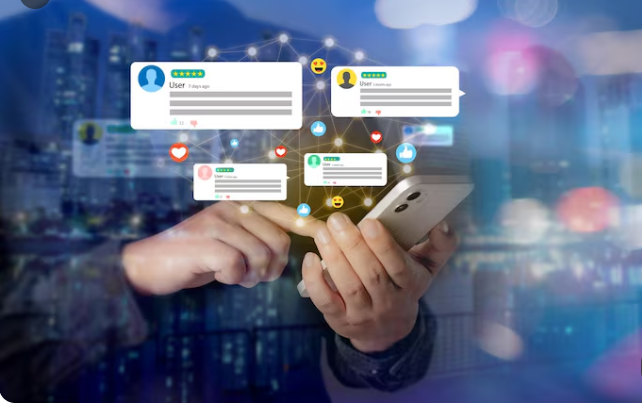
Interactive MMS campaigns encourage two-way communication between businesses and customers. A company can include images or videos asking for feedback, and customers can respond with photos or videos of their own, creating a genuine dialogue. Service providers often send before-and-after photos of completed projects via MMS, then invite clients to rate their satisfaction using images that show star ratings or emoji feedback options. This visual feedback mechanism feels more engaging than a plain text prompt asking about a customer’s experience. Survey companies and market research firms rely on mms messaging to show images or product samples and collect customer reactions, generating higher response rates because participants find visual communication more intuitive than text-only exchanges. Video testimonials or photo reviews gathered through these campaigns also become authentic social proof that other potential customers find compelling.
5. Strengthening Brand Recognition Through Consistent Visual Messaging
Every MMS message represents an opportunity to reinforce brand identity through colors, logos, and visual design. When a business sends consistent, professionally designed MMS content, customers begin to recognize and associate those visuals with the brand itself. A fitness company might send motivational workout videos branded with their logo and color scheme, creating visual consistency that strengthens brand recall. Airlines use MMS to share images of destinations, cabin updates, and promotional graphics that maintain the airline’s visual identity across all customer touchpoints. Small businesses benefit from this consistency too, sending images that reflect their personality and values through every customer interaction. Over time, repeated visual exposure through MMS builds brand recognition more effectively than sporadic text messages, making customers more likely to think of that business when they need its products or services.
Conclusion
MMS messaging has transformed how businesses communicate with customers by moving beyond text-only limitations to deliver rich, visual, interactive content directly to phones. By using visual demonstrations, time-sensitive promotions, personalized content, interactive feedback mechanisms, and consistent brand visuals, companies of all sizes can increase customer engagement and build stronger relationships. The higher engagement rates and response times associated with MMS compared to standard text messaging make it a valuable tool for businesses looking to stand out in crowded markets. As customer expectations for personalized and visually engaging communication continue to grow, MMS messaging remains a practical and cost-effective way to meet those expectations. Whether a business focuses on retail, services, hospitality, or another industry, incorporating MMS into a customer communication strategy can lead to measurable improvements in engagement and satisfaction.
Read more: How Canadian Couples Can Build a Fair Retirement Paycheque