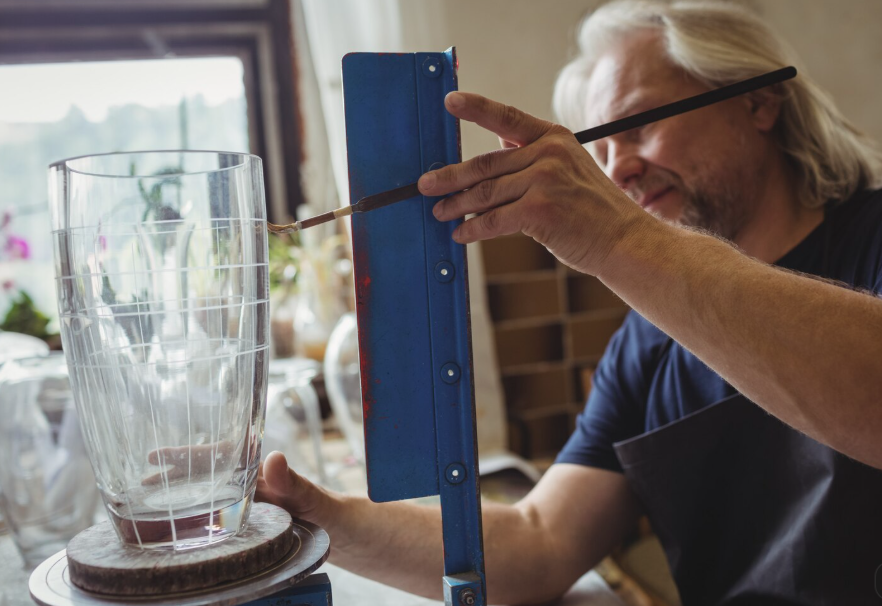
A glass water pipe is a popular glass accessory valued for its distinctive design, practical construction, and variety of available styles. From simple, compact models to larger pieces featuring intricate filtration systems, these products come in different shapes, sizes, and configurations. Their transparent construction also makes it easier to examine the internal structure, glass thickness, and overall craftsmanship.
Whether someone is exploring different glassware designs or comparing available options, understanding the materials, construction, and essential features can make the selection process easier. This guide covers the main aspects of glass water pipes, including their design, common types, material quality, maintenance, and important purchasing considerations.
What Is a Glass Water Pipe?
A glass water pipe is a device designed to pass smoke through water before it travels through the mouthpiece. It generally consists of a water chamber, a bowl, a downstem, and a mouthpiece. These components work together to create a filtration pathway.
Glass is commonly used because it does not significantly affect the taste of the material passing through it. Its transparent appearance also allows users to see the water level and internal components.
Unlike some alternatives made from plastic or metal, glass models are often appreciated for their smooth surfaces, visual appeal, and variety of artistic designs.
Why Are Glass Water Pipes Popular?
Glass water pipes remain popular because they combine functional construction with attractive designs. Manufacturers offer numerous options, allowing consumers to compare products based on appearance, size, and build quality.
Several factors contribute to their popularity.
Transparent Construction
One of the most recognizable features of glass is its transparency. Users can easily inspect the water chamber and observe the internal structure without taking the product apart.
Variety of Designs
Glass water pipes are available in numerous shapes, including straight tubes, curved designs, beaker-style models, and artistic variations. Some feature decorative colours, textured surfaces, or additional glass components.
Material Options
Different types of glass offer different levels of durability and heat resistance. Borosilicate glass is particularly common because it is designed to withstand temperature changes better than ordinary glass.
Reusable Construction
Many glass models are designed for repeated use. Their non-porous surfaces can make routine cleaning straightforward when appropriate cleaning methods are followed.
Different Types of Glass Water Pipes
Understanding the available designs helps consumers compare products more effectively. Each style has its own construction characteristics and visual appeal.
1. Straight Tube Water Pipes
Straight tube models feature a simple vertical design with a relatively straightforward internal structure. Their clean appearance makes them easy to recognize, while their shape often allows for convenient storage.
These models are commonly selected by people who prefer minimalistic glassware without complicated external features.
2. Beaker-Style Water Pipes
Beaker-style designs feature a wider base and a narrower upper section. This construction gives the product a distinctive appearance and provides a stable foundation.
The wider base is one of the main characteristics that separates this style from traditional straight tube designs.
3. Recycler Glass Water Pipes
Recycler models feature interconnected chambers and additional glass pathways. Their complex construction creates a distinctive visual effect as water moves through the internal sections.
These products often appeal to consumers interested in detailed glass craftsmanship and more elaborate designs.
4. Mini Glass Water Pipes
Mini glass water pipes offer a smaller alternative to full-sized designs. Their compact dimensions make them easier to store and transport, although their smaller chambers may require more frequent cleaning.
They are generally worth considering when storage space and product dimensions are important factors.
Understanding Glass Quality and Materials
Material quality plays an important role in the overall construction and longevity of a glass water pipe. Not all glass products offer the same level of durability, so understanding the available materials can help consumers make better purchasing decisions.
Borosilicate Glass
Borosilicate glass is widely used in glass accessories because of its resistance to thermal expansion and temperature changes. It is generally more suitable for products exposed to heat than standard soda-lime glass.
However, borosilicate glass is not unbreakable. It can still crack or shatter if dropped, struck, or exposed to extreme temperature differences.
Glass Thickness
Glass thickness is another important consideration. Thicker construction may provide additional resistance to everyday handling, but thickness alone does not guarantee product quality.
Buyers should also examine the quality of joints, overall finishing, and consistency of the glass.
Craftsmanship and Finishing
Well-made glass products generally feature smooth edges, properly finished connections, and consistent construction. Poorly finished joints or visible manufacturing defects may indicate lower production quality.
Important Features to Consider Before Buying
Choosing a glass water pipe involves more than selecting an attractive design. Buyers should evaluate several practical characteristics before making a purchase.
Overall Size and Dimensions
Product dimensions can influence storage requirements, handling, and cleaning convenience. Larger designs may require additional storage space, while compact options are generally easier to accommodate.
Always check the listed height, width, and weight rather than relying exclusively on product photographs.
Base Stability
A stable base helps reduce the likelihood of accidental tipping. Beaker-style products typically feature a wider foundation, while narrow designs may require more careful placement.
Joint Compatibility
Glass accessories can feature different joint sizes and configurations. Checking compatibility is important when comparing replacement components or additional accessories.
Ease of Cleaning
Complex internal structures can make cleaning more challenging. Products with accessible chambers and straightforward construction may require less effort during routine maintenance.
Overall Build Quality
Look for consistent glass thickness, clean finishing, secure connections, and clear product descriptions. Reputable sellers should provide accurate information about materials and dimensions.
Glass Water Pipes vs Other Materials
Glass is not the only material used to manufacture water pipes. Ceramic, silicone, and metal are also found in different product categories.
| Material | Main Characteristics |
| Glass | Transparent, non-porous, and available in many designs |
| Silicone | Flexible and resistant to breaking |
| Ceramic | Offers decorative designs and a solid structure |
| Metal | Durable construction, depending on the material |
Glass stands out for its transparency and visual variety. However, it is more fragile than flexible silicone alternatives and requires careful handling.
The most suitable material depends on individual priorities, product construction, and intended use.
How to Clean and Maintain Glass Water Pipes
Regular maintenance helps preserve the appearance and condition of glass products. Residue, dust, and mineral deposits can accumulate over time, particularly around internal chambers and joints.
Here are some general maintenance recommendations.
1. Empty and rinse: Remove any remaining water and rinse accessible sections with warm, not boiling, water.
2. Use appropriate cleaning products: Follow the manufacturer’s cleaning instructions and use products specifically suitable for the glass material.
3. Avoid sudden temperature changes: Extreme temperature differences can create stress within the glass and increase the risk of cracking.
4. Inspect the structure: Check for small cracks, damaged joints, or sharp edges before handling the product.
5. Allow it to dry: Ensure the product is completely dry before storing it.
Avoid abrasive materials or aggressive cleaning methods that could damage delicate components.
Common Mistakes to Avoid When Buying
Even attractive products may not meet expectations if important details are overlooked. Buyers should avoid these common mistakes:
- Ignoring product dimensions: Photographs can make products appear larger or smaller than their actual size.
- Choosing based only on appearance: Decorative features do not necessarily indicate better construction.
- Overlooking glass quality: Check whether the manufacturer specifies borosilicate or another glass material.
- Ignoring joint compatibility: Replacement components may not fit every model.
- Buying from unreliable sellers: Look for clear product descriptions, transparent return policies, and genuine customer reviews.
- Neglecting maintenance requirements: Complicated designs may need more attention during cleaning.
A careful comparison of these factors can help prevent unnecessary purchases and improve overall product satisfaction.
Where to Find Quality Glass Water Pipes
Finding a reliable retailer is an important part of the purchasing process. Established specialist stores often provide a wider selection of glass accessories, detailed product descriptions, and useful information about materials and dimensions.
When comparing online retailers, consider the following:
- Product specifications and material information.
- Clear photographs from multiple angles.
- Accurate dimensions and joint measurements.
- Customer feedback and store reputation.
- Shipping information and return policies.
- Availability of compatible replacement components.
Avoid making purchasing decisions based entirely on discounted prices. Product quality, seller reliability, and accurate specifications are equally important.
Frequently Asked Questions
1. What is the best glass for a water pipe?
Borosilicate glass is a commonly preferred option because it offers better resistance to thermal expansion than ordinary glass. However, it can still break if dropped or handled improperly.
2. Are all glass water pipes made from borosilicate glass?
No. Some products use other types of glass. Buyers should check the manufacturer’s material specifications before purchasing.
3. How do I know if a glass water pipe is good quality?
Examine its glass thickness, joint finishing, structural consistency, and overall craftsmanship. Reliable product descriptions and customer reviews can also provide useful information.
4. Are larger glass water pipes better?
Not necessarily. Larger models may offer different design characteristics, but the best option depends on available storage space, construction quality, and personal preferences.
5. Can glass water pipes break easily?
Glass is naturally fragile compared with materials such as silicone. Even thick borosilicate glass can break if dropped or subjected to sudden temperature changes.
6. How often should a glass water pipe be cleaned?
Cleaning frequency depends on the product and its maintenance requirements. Follow the manufacturer’s recommendations and avoid leaving stagnant water or residue inside the chambers.
Final Thoughts
A glass water pipe combines distinctive glass craftsmanship with a variety of shapes, materials, and construction styles. From minimalist straight tubes to detailed recycler designs, the available options cater to different aesthetic and practical preferences.
Before selecting a product, pay attention to glass quality, dimensions, base stability, joint compatibility, and maintenance requirements. Comparing these characteristics alongside seller reliability can help consumers make more informed purchasing decisions.
Ultimately, a well-constructed product with accurate specifications and suitable materials is a more worthwhile consideration than choosing an option based on appearance or price alone.
Read more : Simple Lifestyle Changes That Can Make Everyday Life More Enjoyable/How to Build Better Money Habits for Long-Term Financial Stability