
How to Make a Small Room Feel More Spacious and Comfortable
Get stylish nickname for → with mix of unicode character, emoji and symbols to be used in Free Fire or Instagram as username.
Pick Style
Attitude Fancy Text꧁℠𝙷𝒶𝓃𝒹𝓅𝒾𝒸𝓀ℯ𝒹❥❤️☆࿐꧂
Handpicked Fancy Text༄ᵦᵣₒₖₑₙ💔𝔖𝔞𝔡💔❥❥═══
Sad Fancy Text៚★𝘽̶𝙤̶𝙡̶𝙙̶★♡¸.•*
Bold Fancy Text⌐╦╾━💥 𝓖𝓾𝓷 ⌯⁍
Gun Fancy Text═༻ 𝒞𝓾𝓇𝓼𝒾𝓿ℯ ༺═
Cursive Fancy Text╰Tɴ╯★𝔒𝖑𝔡 𝔈𝖓𝔤𝖑𝔦𝖘𝔥ꪜ
Old English Fancy Text▄▀ 𝔹̲𝔾̲𝕄̲𝕀̲ ▀▄
BGMI Fancy Text▄▀ 𝔏̶𝔦̶𝔫̶𝔢̶𝔰̶ ▀▄
Lines Fancy Text▛▀ ℬ𝓇𝒾𝒸𝓀 ▟▄
Brick Fancy Text★彡F̸r̷e̶a̸k̸y̶彡★
Freaky Fancy Text♡⋆。˚✧ ₛₘₐₗₗ բₐₙ꜀ᵧ ✧˚。⋆♡
Small Fancy Text♡彡 💗 𝗿𝗼𝗿𝗿𝗶𝗠 & 𝗽𝗶𝗹𝗙 💗 彡♡
Flip & Mirror Fancy Text⚡️💀 𝘽𝙄𝙂𝙊 💀⚡️
BIGO Fancy Text⚡️💀 𝘾̲𝙖̲𝙧̲𝙧̲𝙤̲𝙢̲ ̲𝙋̲𝙤̲𝙤̲𝙡̲ 💀⚡️
Carrom Pool Fancy Text✿Ɱའ. ɪɢɴ ★࿐
IGN Fancy Text❦𝓜𝓲𝓼𝓼⋆𝒢𝒾𝓇𝓁 ꧂
Girls Fancy Textᶜᴿᴬᶻᵞ 𝔽𝕣𝕖𝕖 𝔽𝕚𝕣𝕖 ༻꧂
Free Fire Fancy Textᴹᴿ᭄░𝘽𝙤𝙮𝙨 𝙁𝙖𝙣𝙘𝙮 𝙏𝙚𝙭𝙩✾░☄
Boys Fancy Textᡕᠵデᡁ᠊╾━ 𝓜̶𝓛̶𝓑̶𝓑̶ 💥
MLBB Fancy Text𓃷 𝐋𝐈𝐅𝐓 𝒢𝓎𝓂 ⚡︎
Gym Fancy Text𓆩💗𓆪 𝕀𝕟𝕤𝕥𝕒𝕘𝕣𝕒𝕞 𓆩💗𓆪
Instagram Fancy Text🌸˚˖𓍢ִ໋ℭ𝔲𝔱𝔢 𝔉𝔞𝔫𝔠𝔶 𝔗𝔢𝔵𝔱🌷͙֒✧🩷˚⋆
Cute Fancy Text💗💞 ⒷⓊⒷⒷⓁⒺ 💞💗
Bubble Fancy Text💥💢 𝐀𝐧𝐠𝐫𝐲 💢💥
Angry Fancy Text🚀💣 𝘈̶𝘝̶𝘈̶𝘒̶𝘐̶𝘕̶ 💣🚀
AVAKIN Fancy Text
👤 Latest Fancy Name
👤 Random Fancy Name
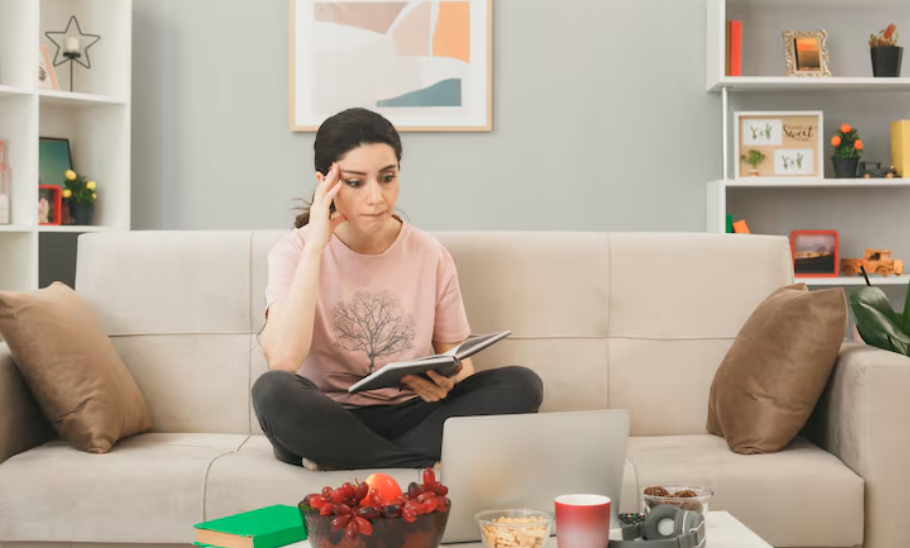
A small room can be welcoming, useful, and full of personality. The challenge is arranging it so that furniture, storage, and decorations support daily life without overwhelming the available space.
You do not need to remove everything or spend heavily on a redesign. Often, moving a chair, improving the lighting, or finding a better place for everyday items can make a noticeable difference. The goal is to create clear movement, a balanced appearance, and comfortable places to sit, work, or rest.
These practical ideas can help you make the most of a compact bedroom, living room, or home office.
1. Decide What the Room Needs to Do
Before choosing colors or buying furniture, identify the room’s main purpose. A bedroom needs comfortable sleeping space, while a home office requires a usable work surface and suitable seating.
If the room serves several functions, decide which ones matter most. Trying to fit a guest bed, large desk, reading corner, and extensive storage into one small room may leave every activity feeling cramped.
Write down the essential items and separate them from optional additions. This makes it easier to plan a layout around how you actually use the space.
For example, a compact desk may be enough if you mainly work on a laptop. That leaves more room for a comfortable chair and movement around it.
2. Clear the Paths You Use Every Day
A room feels cramped when you have to turn sideways between furniture or move objects to reach a cupboard. Begin by improving the routes between the door, windows, seating, and storage.
Check that doors and drawers open properly. Keep frequently used areas accessible, and move occasional-use items away from main pathways.
Sketch the layout or use masking tape to mark furniture positions before moving heavy pieces. This lets you test whether an arrangement works.
Placing everything against the walls is not always necessary. A chair angled slightly inward may create a more comfortable seating area, provided it does not obstruct movement.
3. Choose Furniture With Suitable Proportions
Small rooms benefit from furniture that fits their dimensions and purpose. However, filling a room with many tiny pieces can look busier than using a few carefully chosen ones.
Measure the room, doorways, and available wall space before purchasing anything. Consider furniture depth as well as width. A shallow cabinet may provide useful storage while preserving floor space.
Pieces with visible legs or open bases can create a lighter appearance because more of the floor remains visible. A compact sofa, slender side table, or open-frame desk may suit the room better than bulky alternatives.
Comfort still matters. A chair that looks neat but is unpleasant to sit in does little to improve the space.
4. Use Furniture That Serves More Than One Purpose
When floor space is limited, one piece can sometimes replace two.
Useful options include:
- A bed with built-in drawers.
- A storage ottoman that also provides seating.
- A folding desk for occasional work.
- Nesting tables that separate when needed.
- A bench with space for baskets underneath.
Choose features you will actually use. Storage inside furniture is less convenient if accessing it requires moving several other objects.
Before buying, check how the piece works when fully opened or extended. A fold-out table may fit neatly when closed but block a walkway during use.
5. Create a Calm, Connected Color Scheme
A coordinated palette can help a small room feel visually settled. Light colors often produce an airy impression, particularly when the room receives good natural light.
Soft white, warm cream, pale green, and muted blue are possible starting points. Choose shades that work with the room’s light and existing furniture.
Darker colors can also make a compact room feel inviting. Their effect depends on lighting, contrast, and how they are used. Painting walls and trim in related shades can create continuity, while strong contrasts draw attention to individual edges.
Test paint samples at different times of day before deciding. The same color can appear quite different under evening lighting.
6. Improve Lighting Throughout the Room
One ceiling light may leave corners dim and make the room feel less comfortable. Combine lighting sources to support different activities.
A ceiling fixture can provide general light, while a wall lamp or small table lamp creates a comfortable reading area. A desk light helps with focused work.
Wall-mounted lights can free up surfaces, and carefully positioned lamps can bring attention to areas that otherwise feel overlooked.
Keep windows reasonably clear so that daylight can enter. Choose curtains or blinds that provide the privacy you need without making them unnecessarily difficult to open.
7. Place Mirrors Where They Reflect Something Useful
A mirror can add visual depth by reflecting light and extending the apparent view. Its placement matters more than simply having one.
Position it where it reflects a window, an attractive part of the room, or a clear area. A mirror facing crowded shelves may repeat the clutter instead.
A single larger mirror can create a calmer effect than several small ones, depending on the layout. Check the reflection from the places where you usually sit or stand.
Secure mirrors appropriately, especially in homes with children or pets, and avoid positions that create distracting glare.
8. Add Storage Without Filling Every Surface
Storage helps a room feel comfortable when it gives everyday belongings an accessible home. Combine closed storage for visually busy items with a little open space for things you enjoy displaying.
Use vertical space carefully. Tall cabinets, wall hooks, and shelving can preserve floor area, but they should remain practical to reach.
Keep frequently used items at a convenient height. Reserve less accessible storage for occasional-use belongings, and secure tall furniture according to its instructions.
Avoid adding shelves simply because a wall is empty. Some clear wall space gives the room breathing room and balances furniture elsewhere.
9. Keep Decoration Selective and Personal
A spacious feeling does not require bare walls or an impersonal interior. Choose decorations that bring pleasure without competing for every available spot.
One substantial artwork may suit a wall better than many unrelated small pieces. A plant, a favorite photograph, or a patterned cushion can add character without taking much space.
Use texture to make the room comfortable. Curtains, a suitable rug, bedding, and cushions can soften the appearance, but avoid letting them interfere with movement or furniture use.
Group smaller decorative objects deliberately rather than scattering them across every surface.
10. Maintain the Layout With Simple Habits
Even a well-planned room can feel crowded when laundry, cables, paperwork, and bags accumulate. Make everyday tidying easy by placing storage where you naturally need it.
A basket near the bed, a hook beside the entrance, or a cable organizer under the desk can prevent repeated clutter.
Spend a few minutes returning items to their places, and review belongings occasionally. If an object has no useful role in the room, consider storing it elsewhere.
Start with the area that causes the most inconvenience. Clearing a blocked walkway or replacing an oversized table may improve the room more than several decorative purchases. With a practical layout, balanced lighting, and thoughtful storage, a small room can offer both a sense of space and the comfort you need every day.