
Why Strategy Games Continue to Attract Competitive Players
Get stylish nickname for → with mix of unicode character, emoji and symbols to be used in Free Fire or Instagram as username.
Pick Style
Attitude Fancy Text꧁℠𝙷𝒶𝓃𝒹𝓅𝒾𝒸𝓀ℯ𝒹❥❤️☆࿐꧂
Handpicked Fancy Text༄ᵦᵣₒₖₑₙ💔𝔖𝔞𝔡💔❥❥═══
Sad Fancy Text៚★𝘽̶𝙤̶𝙡̶𝙙̶★♡¸.•*
Bold Fancy Text⌐╦╾━💥 𝓖𝓾𝓷 ⌯⁍
Gun Fancy Text═༻ 𝒞𝓾𝓇𝓼𝒾𝓿ℯ ༺═
Cursive Fancy Text╰Tɴ╯★𝔒𝖑𝔡 𝔈𝖓𝔤𝖑𝔦𝖘𝔥ꪜ
Old English Fancy Text▄▀ 𝔹̲𝔾̲𝕄̲𝕀̲ ▀▄
BGMI Fancy Text▄▀ 𝔏̶𝔦̶𝔫̶𝔢̶𝔰̶ ▀▄
Lines Fancy Text▛▀ ℬ𝓇𝒾𝒸𝓀 ▟▄
Brick Fancy Text★彡F̸r̷e̶a̸k̸y̶彡★
Freaky Fancy Text♡⋆。˚✧ ₛₘₐₗₗ բₐₙ꜀ᵧ ✧˚。⋆♡
Small Fancy Text♡彡 💗 𝗿𝗼𝗿𝗿𝗶𝗠 & 𝗽𝗶𝗹𝗙 💗 彡♡
Flip & Mirror Fancy Text⚡️💀 𝘽𝙄𝙂𝙊 💀⚡️
BIGO Fancy Text⚡️💀 𝘾̲𝙖̲𝙧̲𝙧̲𝙤̲𝙢̲ ̲𝙋̲𝙤̲𝙤̲𝙡̲ 💀⚡️
Carrom Pool Fancy Text✿Ɱའ. ɪɢɴ ★࿐
IGN Fancy Text❦𝓜𝓲𝓼𝓼⋆𝒢𝒾𝓇𝓁 ꧂
Girls Fancy Textᶜᴿᴬᶻᵞ 𝔽𝕣𝕖𝕖 𝔽𝕚𝕣𝕖 ༻꧂
Free Fire Fancy Textᴹᴿ᭄░𝘽𝙤𝙮𝙨 𝙁𝙖𝙣𝙘𝙮 𝙏𝙚𝙭𝙩✾░☄
Boys Fancy Textᡕᠵデᡁ᠊╾━ 𝓜̶𝓛̶𝓑̶𝓑̶ 💥
MLBB Fancy Text𓃷 𝐋𝐈𝐅𝐓 𝒢𝓎𝓂 ⚡︎
Gym Fancy Text𓆩💗𓆪 𝕀𝕟𝕤𝕥𝕒𝕘𝕣𝕒𝕞 𓆩💗𓆪
Instagram Fancy Text🌸˚˖𓍢ִ໋ℭ𝔲𝔱𝔢 𝔉𝔞𝔫𝔠𝔶 𝔗𝔢𝔵𝔱🌷͙֒✧🩷˚⋆
Cute Fancy Text💗💞 ⒷⓊⒷⒷⓁⒺ 💞💗
Bubble Fancy Text💥💢 𝐀𝐧𝐠𝐫𝐲 💢💥
Angry Fancy Text🚀💣 𝘈̶𝘝̶𝘈̶𝘒̶𝘐̶𝘕̶ 💣🚀
AVAKIN Fancy Text
👤 Latest Fancy Name
👤 Random Fancy Name
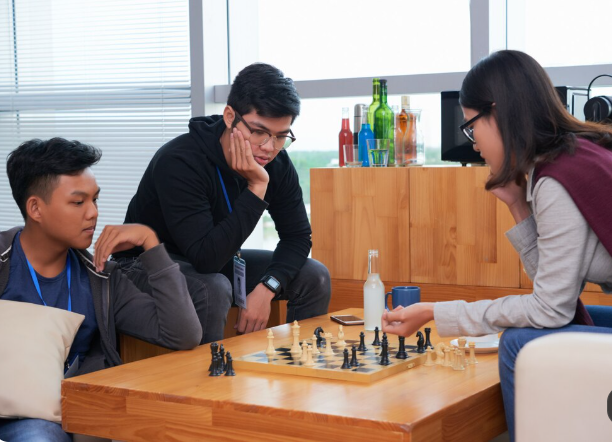
A close strategy match can remain interesting long after it ends. Players replay a decision in their minds, wonder whether a different approach would have worked, and return for another attempt. The appeal comes from having choices that matter—and opponents who make those choices difficult.
Strategy games take many forms, including turn-based battles, real-time contests, card games, and empire-building simulations. Their rules differ, but competitive play often involves a similar challenge: use limited resources, interpret available information, and make better decisions than an opponent.
For players who enjoy learning and testing their judgment, that challenge offers lasting reasons to keep playing.
1. Meaningful Decisions Make Every Match Engaging
Strategy games give players opportunities to influence an outcome through planning and adaptation. A decision about positioning, spending, or timing can affect what becomes possible later.
Should you invest in a stronger economy or prepare for an early attack? Is it worth defending a vulnerable area, or would those resources be more useful elsewhere?
These questions become interesting when each option has benefits and costs. There may be several reasonable choices, with the best one depending on the situation.
Competitive players enjoy evaluating those tradeoffs. Winning can feel satisfying because they understand how a sequence of decisions contributed to the result. Losing can also be informative when they identify where their judgment failed.
2. Simple Rules Can Create Deep Competition
A strategy game does not need hundreds of rules to offer depth. A small number of systems can produce many possibilities when they interact.
Positioning affects which actions are available. Resource limits force priorities. Different units or cards create strengths that opponents can exploit or counter.
Players may learn the basic mechanics quickly while spending much longer understanding how to use them well. As their experience grows, familiar situations reveal new details.
For example, a beginner may focus on building a large force. An experienced player may pay closer attention to movement, timing, and whether that force can reach the right location. The same game supports different levels of understanding.
3. Human Opponents Keep Familiar Games Unpredictable
An established plan rarely works equally well against everyone. Human opponents have different preferences, habits, and levels of experience.
One player may attack early, another may defend patiently, and a third may deliberately use an unusual approach to disrupt expectations.
This variety encourages competitors to pay attention. A strategy that succeeded in the previous match may need adjustment when facing someone new.
Even repeated matches against the same person can evolve. Each player remembers earlier encounters and changes their approach. Competition becomes an ongoing exchange in which both sides learn from the other.
4. Improvement Gives Players a Reason to Return
Strategy games offer many areas for deliberate practice. Players can work on resource management, positioning, scouting, planning, or recognizing threats.
Progress may begin with avoiding obvious mistakes. Later, improvement involves more subtle decisions, such as identifying when an apparent opportunity is actually a trap.
A useful practice goal is specific: spend fewer resources unnecessarily, check the opponent’s position more often, or improve one difficult matchup.
These goals give players something to pursue beyond winning every game. A defeat can still include evidence of progress if the player handled a situation better than before.
5. Reviewing Matches Turns Experience Into Insight
Remembering that a match went badly is less useful than understanding why. Replays, move histories, and personal notes can help players examine their choices.
An apparent final mistake may have started much earlier. A weak position could result from an unnecessary investment, a missed warning, or a plan that left no room to adapt.
Reviewing a match allows players to ask:
- What information was available at the time?
- Which alternatives did I overlook?
- What did I expect my opponent to do?
- When should I have changed my plan?
These questions keep analysis focused on decisions rather than frustration. They also create practical lessons for future matches.
6. Uncertainty Adds Another Layer of Competition
Many strategy games give players incomplete information. An opponent’s resources, intentions, or next move may remain hidden.
Players must decide what to investigate and what to infer. Gathering information can have a cost, so it becomes part of the strategy.
An opponent may also use deception. A visible threat can draw attention away from a different objective, while an unexpected move may encourage a mistaken response.
Competitive players often enjoy this balance between planning and uncertainty. They must act without knowing everything, while remaining ready to revise their assumptions.
7. Different Play Styles Offer Personal Expression
Strategy games can allow players to compete in ways that reflect their preferences. Some enjoy aggressive pressure, while others prefer careful defense, economic development, or unconventional tactics.
This freedom creates attachment to the game. A player can develop an approach that feels familiar and then refine it through competition.
However, personal style works best alongside flexibility. An opponent who understands a predictable approach may exploit it. Learning when to depart from a favorite strategy becomes part of improving.
The challenge is to preserve what makes a style effective while adapting to the situation.
8. Clear Competitive Goals Give Practice Direction
Where available, ranked matches, tournaments, and community leagues provide structured opportunities to test skills.
A rating or tournament result can offer feedback, although it never captures everything about a player’s ability. Matchups, preparation, and performance on the day can all influence outcomes.
Competitive goals are most useful when paired with goals the player can control. Preparing a reliable opening, communicating better with teammates, or reviewing mistakes are concrete actions. A particular rank is an outcome influenced by those actions and other factors.
This distinction can make practice more purposeful and competition less discouraging.
9. Communities Make Learning a Shared Activity
Strategy games also attract players through discussion. A difficult position can lead to a conversation about alternative moves, while an unusual victory can introduce a new idea.
Practice partners help test plans. Experienced players can explain details that are difficult to recognize alone. Beginners may ask questions that prompt others to reconsider familiar assumptions.
A constructive community encourages competition without making every interaction about status. Players can challenge one another while sharing knowledge and respecting different levels of experience.
Strategy games offer competitive players a continuing exchange between thought and action. Every match presents choices, an opponent tests those choices, and the result provides material for reflection. That cycle gives players opportunities to develop their own style, improve their judgment, and discover something new in a game they already know well.
Read more: Why Digital Transformation Matters for Modern Businesses