
How Online Gaming Has Changed the Way Players Connect
Get stylish nickname for → with mix of unicode character, emoji and symbols to be used in Free Fire or Instagram as username.
Pick Style
Attitude Fancy Text꧁℠𝙷𝒶𝓃𝒹𝓅𝒾𝒸𝓀ℯ𝒹❥❤️☆࿐꧂
Handpicked Fancy Text༄ᵦᵣₒₖₑₙ💔𝔖𝔞𝔡💔❥❥═══
Sad Fancy Text៚★𝘽̶𝙤̶𝙡̶𝙙̶★♡¸.•*
Bold Fancy Text⌐╦╾━💥 𝓖𝓾𝓷 ⌯⁍
Gun Fancy Text═༻ 𝒞𝓾𝓇𝓼𝒾𝓿ℯ ༺═
Cursive Fancy Text╰Tɴ╯★𝔒𝖑𝔡 𝔈𝖓𝔤𝖑𝔦𝖘𝔥ꪜ
Old English Fancy Text▄▀ 𝔹̲𝔾̲𝕄̲𝕀̲ ▀▄
BGMI Fancy Text▄▀ 𝔏̶𝔦̶𝔫̶𝔢̶𝔰̶ ▀▄
Lines Fancy Text▛▀ ℬ𝓇𝒾𝒸𝓀 ▟▄
Brick Fancy Text★彡F̸r̷e̶a̸k̸y̶彡★
Freaky Fancy Text♡⋆。˚✧ ₛₘₐₗₗ բₐₙ꜀ᵧ ✧˚。⋆♡
Small Fancy Text♡彡 💗 𝗿𝗼𝗿𝗿𝗶𝗠 & 𝗽𝗶𝗹𝗙 💗 彡♡
Flip & Mirror Fancy Text⚡️💀 𝘽𝙄𝙂𝙊 💀⚡️
BIGO Fancy Text⚡️💀 𝘾̲𝙖̲𝙧̲𝙧̲𝙤̲𝙢̲ ̲𝙋̲𝙤̲𝙤̲𝙡̲ 💀⚡️
Carrom Pool Fancy Text✿Ɱའ. ɪɢɴ ★࿐
IGN Fancy Text❦𝓜𝓲𝓼𝓼⋆𝒢𝒾𝓇𝓁 ꧂
Girls Fancy Textᶜᴿᴬᶻᵞ 𝔽𝕣𝕖𝕖 𝔽𝕚𝕣𝕖 ༻꧂
Free Fire Fancy Textᴹᴿ᭄░𝘽𝙤𝙮𝙨 𝙁𝙖𝙣𝙘𝙮 𝙏𝙚𝙭𝙩✾░☄
Boys Fancy Textᡕᠵデᡁ᠊╾━ 𝓜̶𝓛̶𝓑̶𝓑̶ 💥
MLBB Fancy Text𓃷 𝐋𝐈𝐅𝐓 𝒢𝓎𝓂 ⚡︎
Gym Fancy Text𓆩💗𓆪 𝕀𝕟𝕤𝕥𝕒𝕘𝕣𝕒𝕞 𓆩💗𓆪
Instagram Fancy Text🌸˚˖𓍢ִ໋ℭ𝔲𝔱𝔢 𝔉𝔞𝔫𝔠𝔶 𝔗𝔢𝔵𝔱🌷͙֒✧🩷˚⋆
Cute Fancy Text💗💞 ⒷⓊⒷⒷⓁⒺ 💞💗
Bubble Fancy Text💥💢 𝐀𝐧𝐠𝐫𝐲 💢💥
Angry Fancy Text🚀💣 𝘈̶𝘝̶𝘈̶𝘒̶𝘐̶𝘕̶ 💣🚀
AVAKIN Fancy Text
👤 Latest Fancy Name
👤 Random Fancy Name
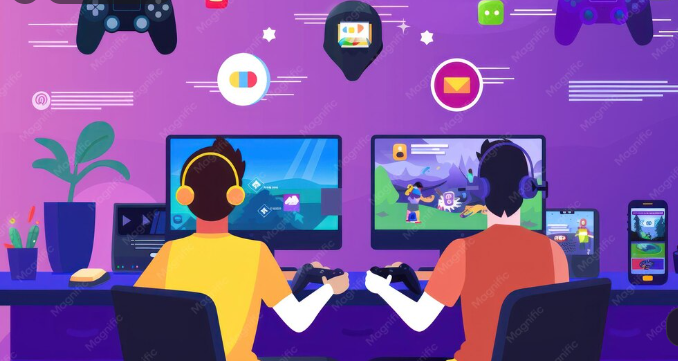
Gaming once meant gathering around the same television, sharing a controller, or inviting friends over for an afternoon of competition. Those experiences still exist, but online gaming has expanded the possibilities. Players can now join a match, explore a virtual world, or solve a puzzle with people thousands of miles away.
This shift has changed more than how games are played. It has created new spaces for conversation, cooperation, and friendship. For many players, a gaming session is also a chance to catch up with friends, meet new people, and feel part of a group.
Understanding how online gaming shapes these connections means looking beyond scores and achievements. The relationships formed during play can become an important part of the experience.
1. Bringing Players Together Across Distances
One of the biggest changes introduced by online gaming is the ability to share an activity without being in the same place.
Friends who move to different cities can continue playing together. Family members living abroad can meet in a virtual world. Players who have never met can find each other through a shared interest in a particular game.
Having something to do together makes conversation easier. Instead of arranging a call with no particular plan, friends can join a game and talk while completing missions or building something.
Distance still affects time zones, connection quality, and scheduling. Even so, online play gives people another practical way to maintain relationships when meeting in person is difficult.
2. Turning Teamwork Into a Social Experience
Many online games depend on cooperation. Players must share information, coordinate their actions, and respond when plans change.
In a team match, one player might notice an approaching opponent while another protects an objective. In a cooperative adventure, teammates may combine different abilities to overcome a challenge. These moments create reasons to communicate and rely on one another.
Repeated teamwork can also build familiarity. Players learn who stays calm under pressure, who enjoys planning, and who is willing to help a beginner.
A successful session is often memorable because of how the group worked together. A close defeat can be just as meaningful when everyone contributed and enjoyed the experience.
3. Making Friendships Grow Through Regular Play
Online friendships often begin with a small interaction: a useful tip, a shared joke, or an invitation to play another round.
Over time, regular sessions give players opportunities to learn about one another. Conversations may move from game strategies to work, studies, hobbies, and everyday life.
A familiar group can develop its own routines. Members might meet on weekends, celebrate an achievement, or return to the same game whenever they want to spend time together.
These friendships vary in depth. Some remain casual connections built around a single game, while others continue across different games and communication platforms. Both can make play more enjoyable and give people a sense of belonging.
4. Creating Communities Around Shared Interests
Online gaming communities extend beyond the people in a single match. Guilds, clans, clubs, forums, and discussion groups bring together players with similar interests.
Some groups focus on competitive improvement. Others enjoy relaxed exploration, creative building, collecting items, or helping newcomers. This variety gives players a chance to find a community that suits their pace and personality.
A welcoming group can make a complicated game easier to learn. Experienced members may explain unfamiliar systems, answer questions, or invite new players into activities they could not complete alone.
Community culture matters, however. Clear expectations, considerate members, and active moderation can help a group remain enjoyable as it grows.
5. Offering More Ways to Communicate
Online gaming has introduced several ways for players to interact during play. Text chat, voice chat, direct messages, and in-game signals each serve different purposes.
Voice chat allows quick coordination and casual conversation. Text chat gives players more time to choose their words. Markers and preset signals let teammates share useful information without speaking.
Having several options is valuable because players have different needs. Someone may prefer a quiet session, feel uncomfortable speaking to strangers, or need a communication method that works better for them.
Good communication does not require constant conversation. A well-timed signal, a helpful message, or a simple thank-you can improve the atmosphere of a match.
6. Making Games a Place to Spend Time Together
Online games are often used as social meeting places. Players may log in partly to enjoy the game and partly to see who is available.
A virtual world provides a setting for shared activities. Friends can decorate a space, explore a map, attempt a challenge, or simply talk while playing at a relaxed pace.
This can be especially useful when people struggle to coordinate an in-person meeting. A short gaming session may fit into an evening more easily than travel or a larger social plan.
The game gives the gathering structure, but the conversation and company may become the main reason people return.
7. Encouraging Connection Through Creativity
Competition is only one part of online gaming. Games that support building, customization, or player-created content offer another way to connect.
Players can design shared spaces, create custom levels, organize events, or contribute to a long-term project. Working on something together encourages discussion about ideas, choices, and responsibilities.
Creative collaboration also allows different strengths to emerge. One person may enjoy planning a layout, another may focus on decoration, and someone else may handle technical details.
The finished project becomes a shared memory. Returning to it later can remind a group of the time and effort they spent together.
8. Expanding Social Interaction Through Streaming
Streaming and gaming videos have added another layer to gaming communities. People can connect around a game even when they are watching rather than playing.
Viewers discuss strategies, react to surprising moments, and exchange opinions in chat or comment sections. Regular audiences may develop familiar routines and recognize one another over time.
Creators can also introduce players to new games or bring attention to community projects. A tutorial or live demonstration may give beginners the confidence to participate.
These connections differ from close friendships. Watching a creator regularly can create a feeling of familiarity, but a large audience usually limits how personal or reciprocal that relationship can be.
9. Introducing Challenges Around Behavior and Trust
Online gaming can support positive connections, but the experience depends heavily on how people treat one another.
Harassment, cheating, insulting language, and deliberate disruption can make players reluctant to communicate. A competitive setting can become unpleasant when winning takes priority over basic respect.
Players can improve their experience by choosing considerate groups, using mute and block tools when needed, and reporting behavior that breaks platform rules. Group leaders can help by setting clear standards and applying them consistently.
Trust also develops gradually. Friendly conversation does not require sharing private information. Keeping account details, financial information, and identifying personal information secure helps players maintain sensible boundaries.
10. Changing How Existing Friends Stay Connected
Online gaming does more than introduce strangers. It can also strengthen relationships that already exist.
A familiar game gives friends a recurring reason to meet. They can share an activity while catching up, making the interaction feel relaxed and natural.
Choosing the right game matters. A highly competitive title may suit one group, while another may prefer cooperative puzzles or a slower creative world. Differences in skill, available time, and equipment can affect how comfortable everyone feels.
Groups often have a better experience when they agree on what they want from a session. Making room for beginners and accepting different levels of commitment helps keep the activity enjoyable.
11. Finding a Comfortable Balance
Online connections can be meaningful, but gaming works best when it fits alongside other parts of life.
Long sessions, pressure to attend group events, or the feeling that teammates always need you can make it difficult to step away. Clear expectations help. Players should be able to leave a session, take a break, or decline an invitation without guilt.
A supportive community respects commitments outside the game. It understands that work, study, family, rest, and other interests affect when someone can play.
That flexibility can make friendships more sustainable. People are more likely to keep returning when participation feels welcome rather than compulsory.
Conclusion
Online gaming has expanded the ways players meet, communicate, and spend time together. Shared challenges can introduce strangers, regular sessions can help friendships grow, and virtual spaces can keep existing friends connected across distance.
The quality of those connections depends on more than the game itself. Respectful communication, welcoming communities, and healthy boundaries help turn shared play into a positive social experience. For many players, the most memorable part of gaming is the company they find along the way.
Read more: How to Build Better Money Habits for Long-Term Financial Stability